



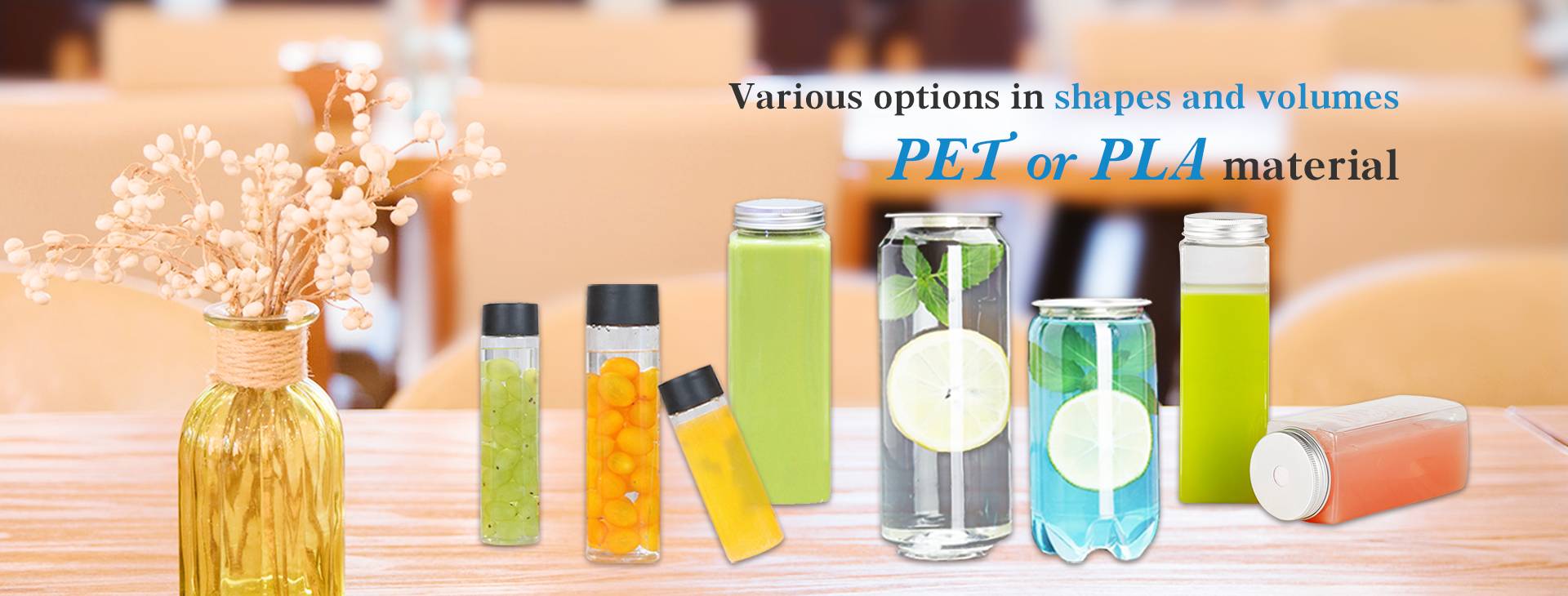
Cylindrical PET Bottles | China Manufacturer for Packaging
I supply Cylindrical PET Bottles that fit fast-moving consumer goods and premium beverages. As a China-based Manufacturer, I understand the markets and the needs of your clients. Our Cylindrical PET Bottles come in multiple sizes, with PET material that keeps liquids fresh, light weight, and shatter-resistant for shipping and shelf life. I offer easy-lid compatibility, tamper-evident seals, and customization options—colors, print, and labeling—that respond to brand storytelling. With strict quality control, ISO-certified processes, and yearly capacity to meet large orders, I can partner with distributors, bottlers, and brands across China and beyond. I provide rapid lead times, competitive pricing, and reliable logistics, ensuring your factory runs smoothly. If you seek a dependable source of Cylindrical PET Bottles that align with consumer trends and regulatory norms, I’m ready to discuss your spec, MOQ, and packaging needs today.


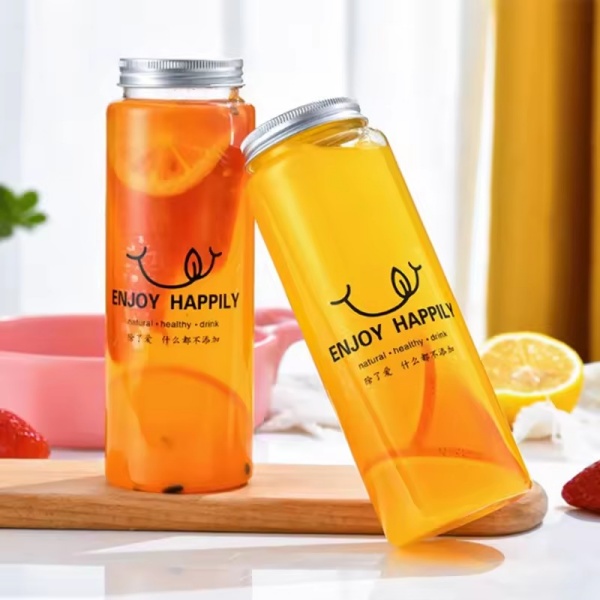
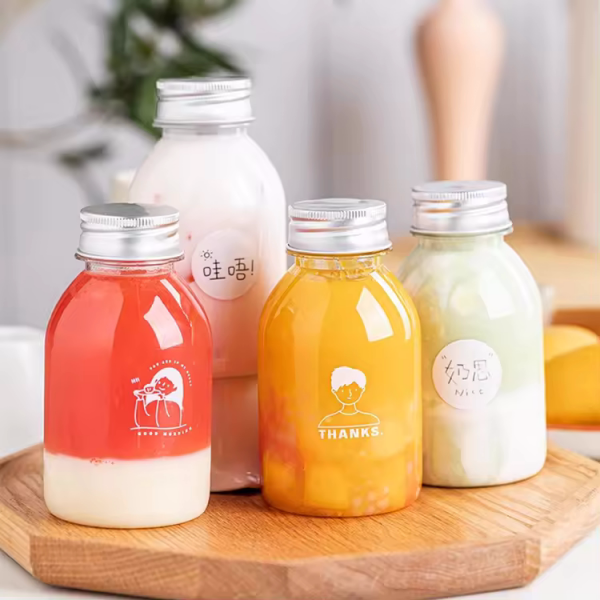
Cylindrical PET Bottles Stands Out Factory-Direct Excellence
Cylindrical PET bottles deliver a compelling mix of clarity, strength and cost-efficiency that global buyers value. Manufactured with food-grade, recyclable PET and precision injection-blow molding, these containers offer uniform wall thickness, tight dimensional tolerances and excellent barrier properties for beverages, personal care and household products. Factory-direct production ensures competitive pricing, traceable quality control, shorter lead times and flexible minimums—advantages that translate to predictable supply and lower landed costs. Custom options include diverse capacities, neck finishes, tamper-evident seals, hot-fill or cold-fill ratings, and decoration choices like silk-screening or shrink sleeves. Robust export experience, international compliance (FDA/EU standards), batch testing and tailored packaging make cylindrical PET bottles an ideal solution for procurement teams seeking scalable, reliable, and sustainable packaging from a single-source manufacturing partner.
| Model (Capacity) | Capacity (mL) | Height (mm) | Outer Diameter (mm) | Neck Finish (mm) | Typical Wall Thickness (mm) | Average Empty Weight (g) | Material / IV Range (dL/g) | Recyclability | Typical Use Cases |
|---|---|---|---|---|---|---|---|---|---|
| Cylindrical - Slim | 250 | 150 | 54 | 28 | 0.28 | 10 | PET / 0.70–0.90 | Recycling code 1 (PET) | Still water, ready-to-drink teas, small-format beverages |
| Cylindrical - Standard | 330 | 165 | 58 | 28 | 0.30 | 12 | PET / 0.70–0.90 | Recycling code 1 (PET) | Juices, flavored water, iced tea, liquid supplements |
| Cylindrical - Mid | 500 | 210 | 66 | 28 | 0.35 | 18 | PET / 0.75–0.95 | Recycling code 1 (PET) | Drinking water, non-carbonated beverages, sauces (with liner) |
| Cylindrical - Large | 750 | 255 | 78 | 28 | 0.40 | 24 | PET / 0.80–0.95 | Recycling code 1 (PET) | Bulk water, RTD blends, personal care liquids (shampoo, lotion) |
| Cylindrical - 1L | 1000 | 280 | 82 | 28 | 0.45 | 28 | PET / 0.80–0.95 | Recycling code 1 (PET) | Large-format drinking water, sports beverages (non-high-pressure) |
| Technical Attribute | Typical Value / Notes |
|---|---|
| Manufacturing Method | Injection Stretch Blow Molding (ISBM) — industry standard for hollow PET containers |
| Manufacturing Tolerances | Height ±1.0 mm; Outer diameter ±0.5 mm; Wall thickness ±0.05 mm (typical) |
| Barrier Options | Standard PET (no barrier). Optional: SiOx or PVOH coating and multilayer (EVOH) solutions for enhanced O2 barrier. |
| Food Contact / Regulatory | When produced with compliant resin and processes, PET bottles meet widely used food-contact regulations (e.g., FDA & EU food contact requirements). |
| Suitability for Carbonation | Standard cylindrical PET is typically used for non-carbonated liquids. Carbonated use requires engineered geometry, higher wall thickness or specialized preforms. |
| Recommended Filling Temperature | Ambient to ~40°C for standard PET. Hot-fill (>60°C) requires engineered preforms and process controls. |
| Typical Preform IV Recommended | Intrinsic viscosity (IV) range ~0.70–0.95 dL/g depending on required mechanical strength and end-use. |
| Typical Single-Bottle Mass Consideration | Empty mass varies with design and neck finish; lightweighting commonly reduces mass by 10–30% versus older designs while maintaining performance. |
| Common Applications & Advantages | Lightweight, clear optics, high throughput production, widely recyclable; well-suited for beverages, condiments, and personal care containers. |
Related Products
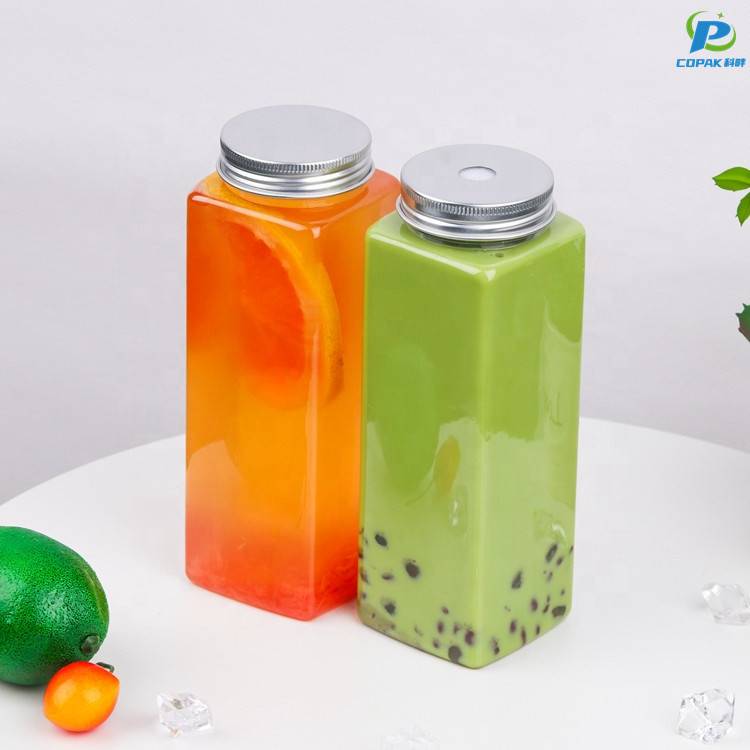



Cylindrical PET Bottles Winning in 2025 Outperforms the Competition
Top Selling Products







- Related Blog
- Reviews
- Reviews
