



Food Grade Paper Bowl - China Manufacturer for Foodservice
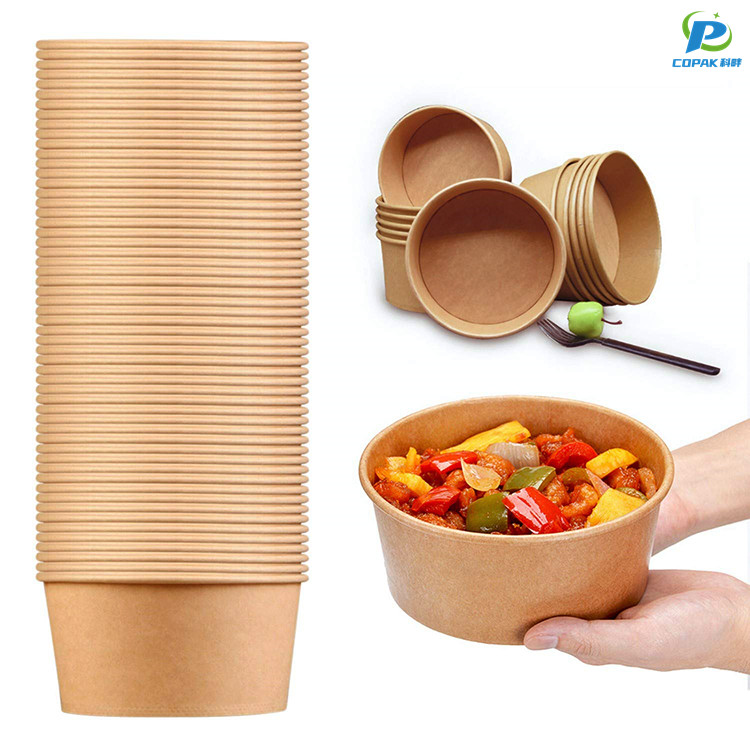
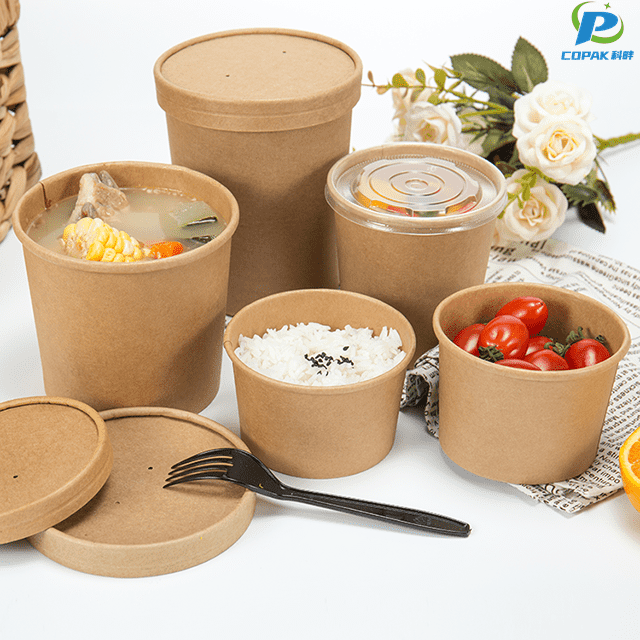
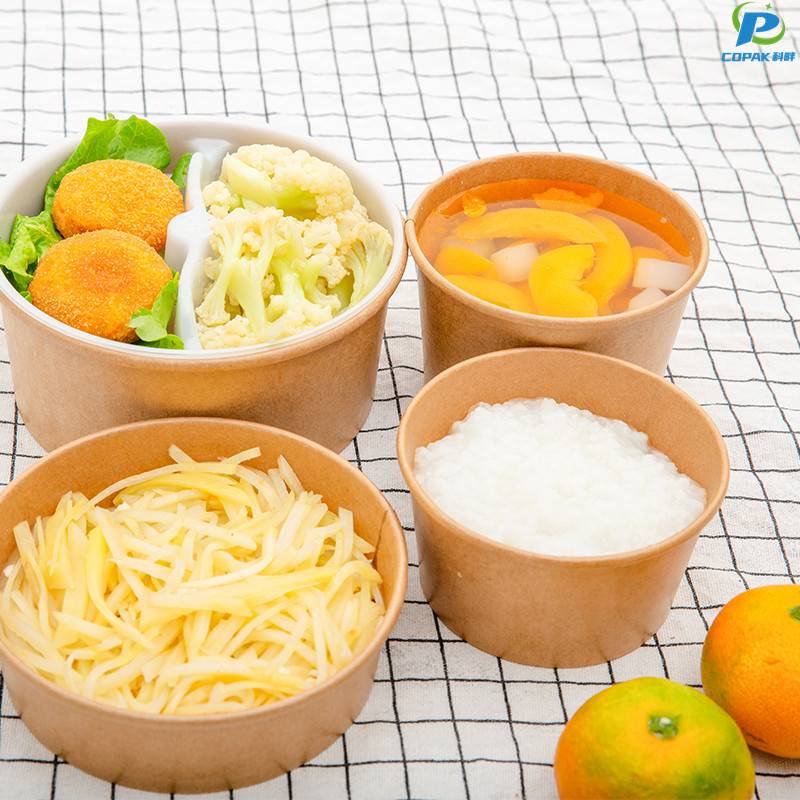
I am a China-based Manufacturer offering a reliable Food Grade Paper Bowl that keeps foods fresh and hands clean. With strict quality controls, these bowls are grease-resistant, microwave-safe, and fully compliant with food-contact standards. Our Food Grade Paper Bowl is sturdy yet lightweight, designed to prevent leaks and handle hot or cold servings without sweating. We provide multiple sizes and thicknesses, plus customization like logos, ink colors, and packaging to suit your brand. Sourcing from China means competitive pricing and scalable supply for large orders, with OEM/ODM options and flexible lead times. I understand B2B buyers need consistent quality and dependable delivery, so I ensure traceability from raw materials to final packaging. Ideal for takeaway, catering, or retail service, these bowls offer safe, eco-friendly packaging that elevates your product line. Let’s partner for a steady, tailored supply of Food Grade Paper Bowl to your market.
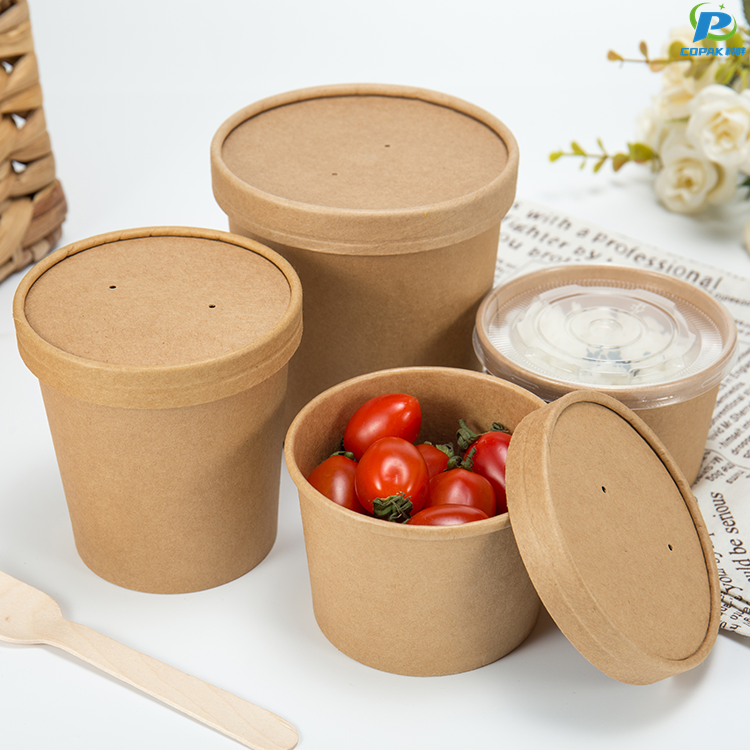

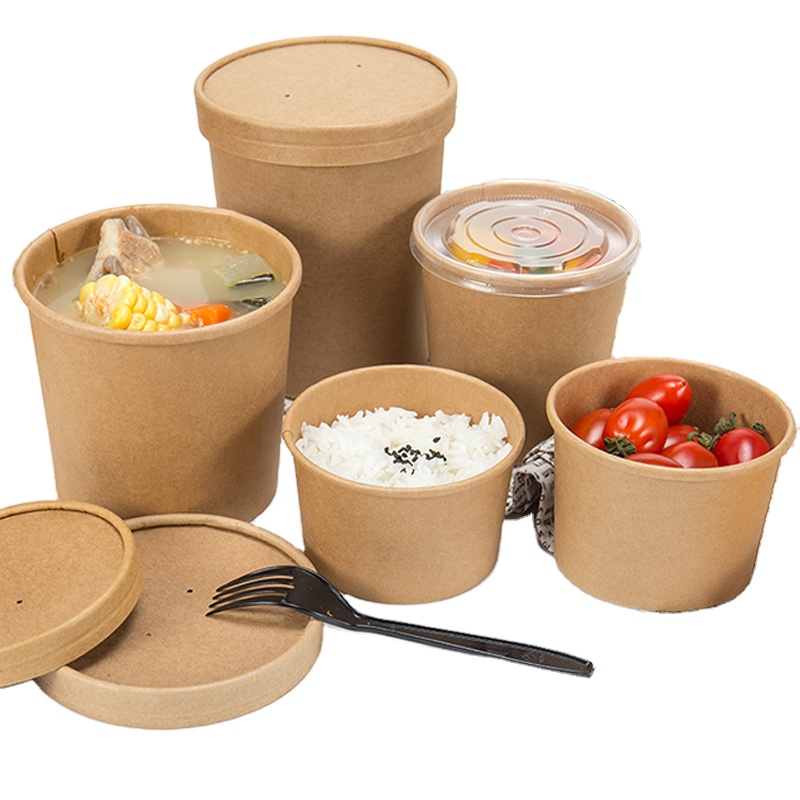
Food Grade Paper Bowl More Than a Supplier - A Partner Service Backed by Expertise
Choosing food grade paper bowls should feel like gaining a partner, not just placing an order. We combine deep material knowledge, rigorous food-safety compliance (FDA/EU standards) and sustainable sourcing to deliver bowls that meet hot and cold use, grease resistance, and compostable options. From prototype to mass production, our R&D and QC teams ensure consistent quality, customizable sizes, prints and barrier coatings, with sample testing and third-party inspection available to satisfy global regulatory and branding needs. More than manufacturing, we offer supply-chain reliability and responsive after-sales service: predictable lead times, flexible MOQs, inventory planning, and logistics support to reduce your risk. For buyers seeking collaboration on design optimization, packaging efficiency or new product development, we act as an extension of your team—providing technical guidance, cost-effective solutions and local-market insights to help you scale with confidence.
| Attribute | Typical Values / Standards | Measurement / Typical Range | Notes / Implications | Recommended Disposal |
|---|---|---|---|---|
| Material composition | Kraft paperboard; coatings: PE, PLA, water-based dispersion | Paperboard 200–350 gsm; PE coating 12–18 µm; PLA coating 10–30 µm | Coating choice affects barrier, heat tolerance and end-of-life (PE = durable, PLA = industrially compostable). | PE-coated: landfill/incineration. PLA or water-based: industrial composting where accepted. |
| Certifications / Compliance | Food-contact standards & compostability norms | Common: FDA (US food contact), EU Reg. 10/2011 for plastic parts, EN 13432 / ASTM D6400 for compostability | Certifications apply to specific material layers and tests (migration, overall/ specific migration limits). | Follow certification guidance; compostability requires certified composting facility for PLA/EN 13432 items. |
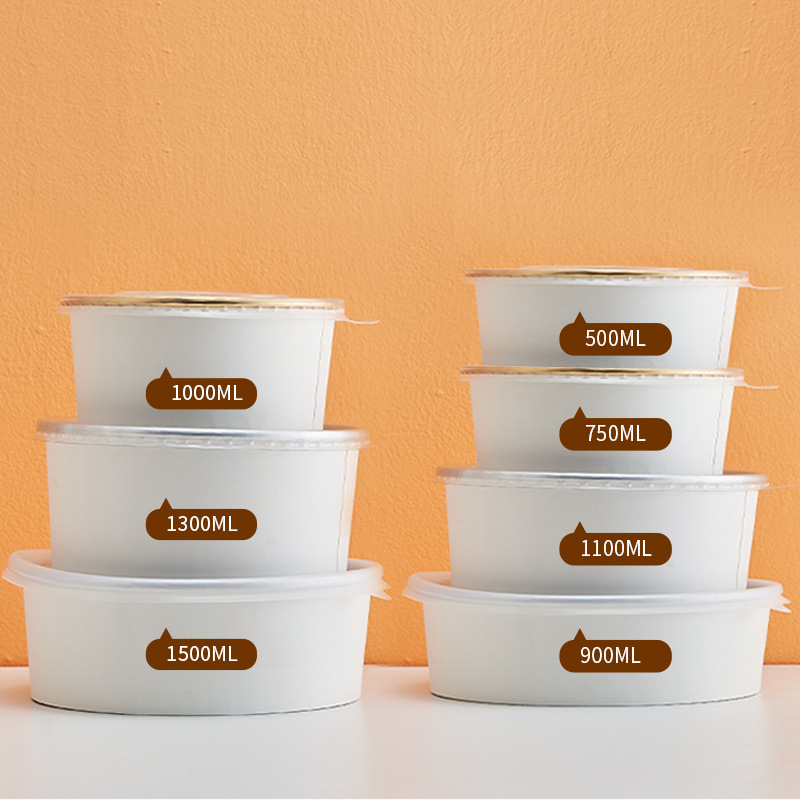
| Size & capacity (examples) | Common retail/foodservice formats | Small (Ø10 cm) ≈ 250 ml; Medium (Ø15 cm) ≈ 500 ml; Large (Ø20 cm) ≈ 1000 ml | Capacities are approximate and depend on bowl depth and headspace; choose size by typical portion. | N/A |
| Thermal performance | Hot food compatibility (dependent on lining) | Unlined: limited (≤60°C); PE-lined: up to ~100°C; PLA-lined: typically 50–70°C (depends on crystallinity) | PLA may soften at higher temperatures; for very hot soups, PE lining or double-wall designs offer better performance. | PLA-lined: industrial composting; PE-lined: not suitable for paper recycling streams. |
| Grease & moisture barrier | Grease resistance (KIT rating) and WVTR | Typical KIT rating 8–12 for greaseproof treatments; WVTR varies with coating (suitable for hours of contact) | Oily or greasy foods require higher grease resistance or polymer lining to avoid oil penetration and sogginess. | Higher-barrier PE reduces recyclability; water-based barriers improve composting potential if certified. |
| Structural strength & weight | Board stiffness and bowl mass | Small bowl weight ≈ 8–12 g; Medium ≈ 12–18 g; Large ≈ 18–25 g; burst strength 150–400 kPa (varies) | Higher gsm increases stiffness and hot-holding time but increases material use and weight. | N/A |
| Compostability & end-of-life | EN 13432 / ASTM D6400 performance | Industrial composting: typical disintegration within 90–180 days under test conditions; home composting results vary | Only certified PLA/coatings meet industrial compostability; presence of PE or heavy mineral fillers prevents composting. | Industrial composting preferred for PLA; clean uncoated paper may go to municipal compost where accepted. |
| Environmental footprint (cradle-to-gate) | Estimated carbon intensity per unit | Approx. 0.02–0.08 kg CO2e per single-use bowl (20–80 g CO2e) depending on fiber source, weight, and coating | Using recycled fiber and lightweighting reduces footprint; end-of-life route also impacts net climate benefit. | N/A |
| Common use cases | Typical applications by material type | Cold salads & desserts: uncoated/water-based; Hot soups/noodles: PE or PLA-lined; Oily foods: higher grease barrier required | Select material and coating according to temperature and oil content for optimal performance and disposal. | Match disposal guidance to chosen material. |
| Quality testing & QA parameters | Key tests for consistent performance | Leak test (>2 hr for hot soups targeted), burst strength, coating adhesion, specific migration, compostability validation | Routine QA and batch testing ensure compliance and consistent end-user experience; documentation important for food safety audits. | N/A |
Related Products


Food Grade Paper Bowl Is The Best Leads the Global Market
Top Selling Products



- Related Blog
- Reviews
- Reviews
