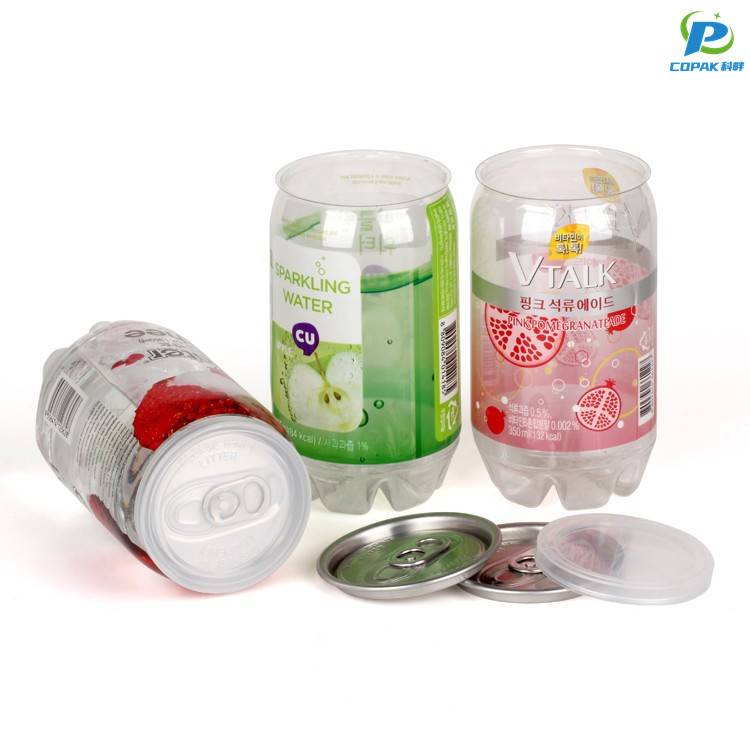
PET Bottles

Paper Bowl 520cc - China Manufacturer of Paper Bowls

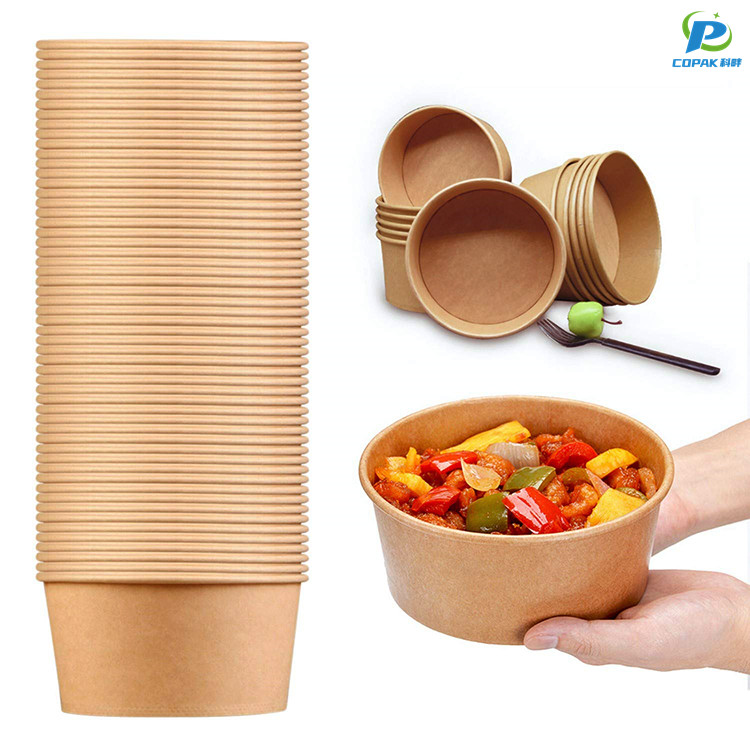
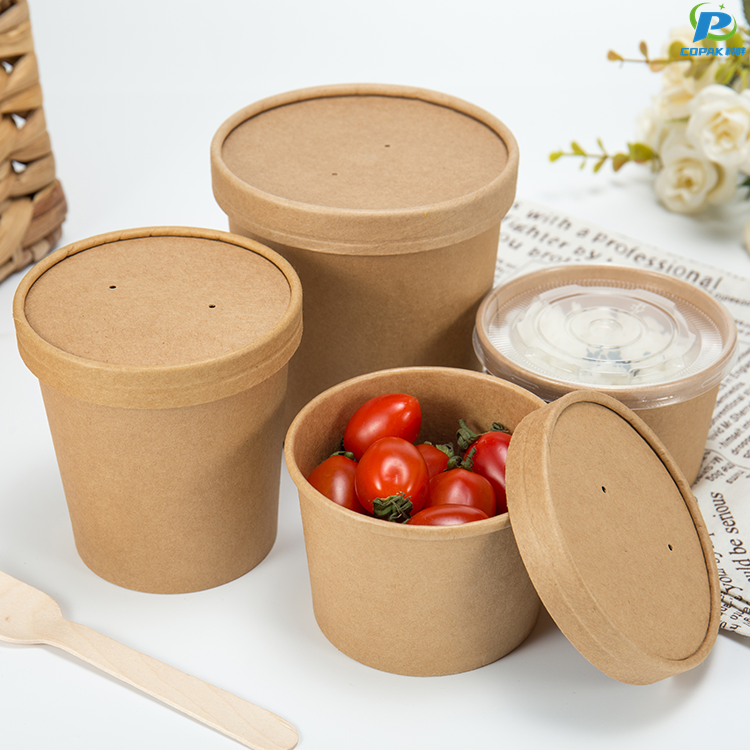
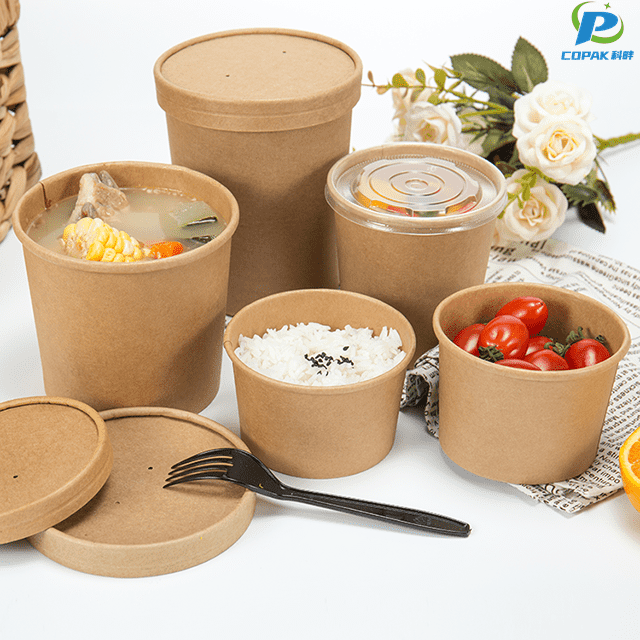
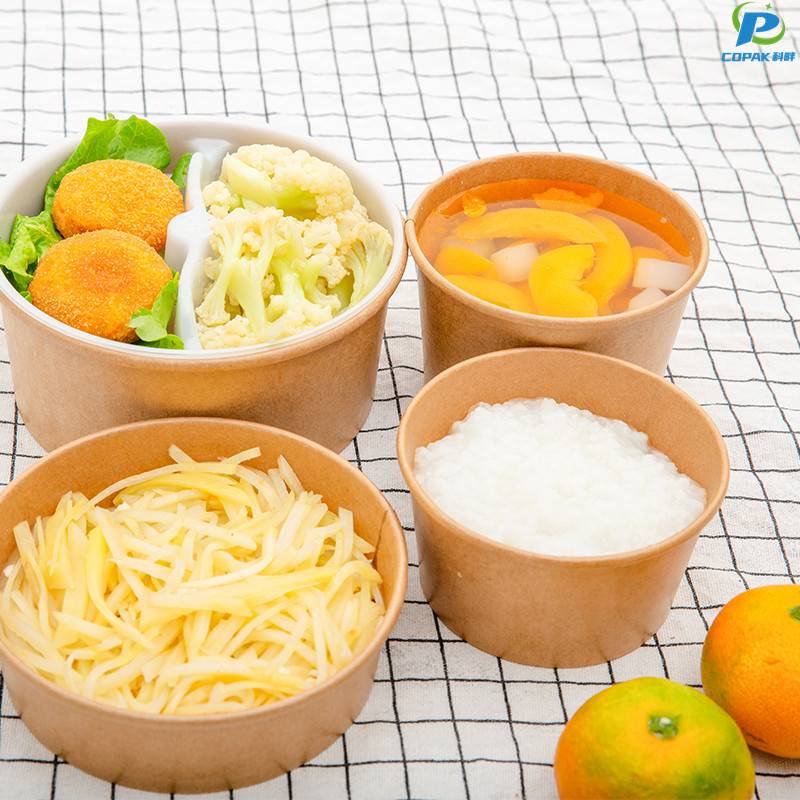
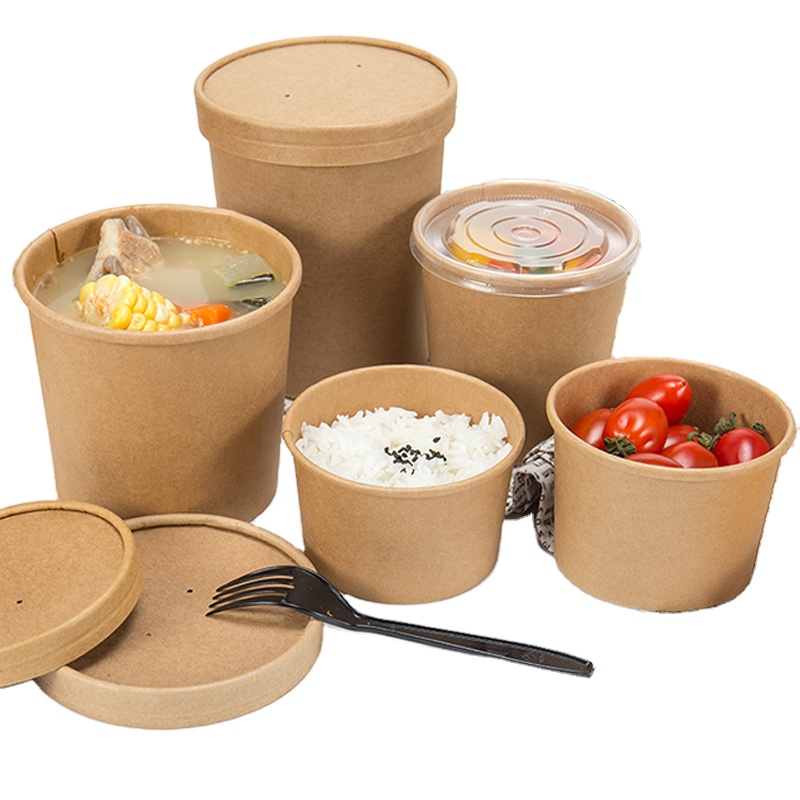
I’m a China-based manufacturer and I offer Paper Bowl 520cc for catering, takeaway, and quick-service needs. My bowls are food-grade, grease-resistant, and designed to keep heat and moisture in check. Made from sturdy kraft paper with a moisture barrier, they’re safe for hot foods up to around 120°C and compatible with standard sleeve lids. The 520cc capacity fits hearty portions while staying stackable for compact storage. I can provide bulk pricing, fast lead times, and OEM printing if you want logo or brand colors on every cup. With strong compliance and stable supply from China, I help you cut procurement complexity. If you’re sourcing a reliable paper container from a manufacturer who understands B2B buyers, let’s discuss volume, customization, and packaging. I’m ready to support your next bulk order and streamline your store, cafe, or delivery service.

Hot Selling Product

Paper Bowl 520cc Custom Solutions, From Concept to Delivery

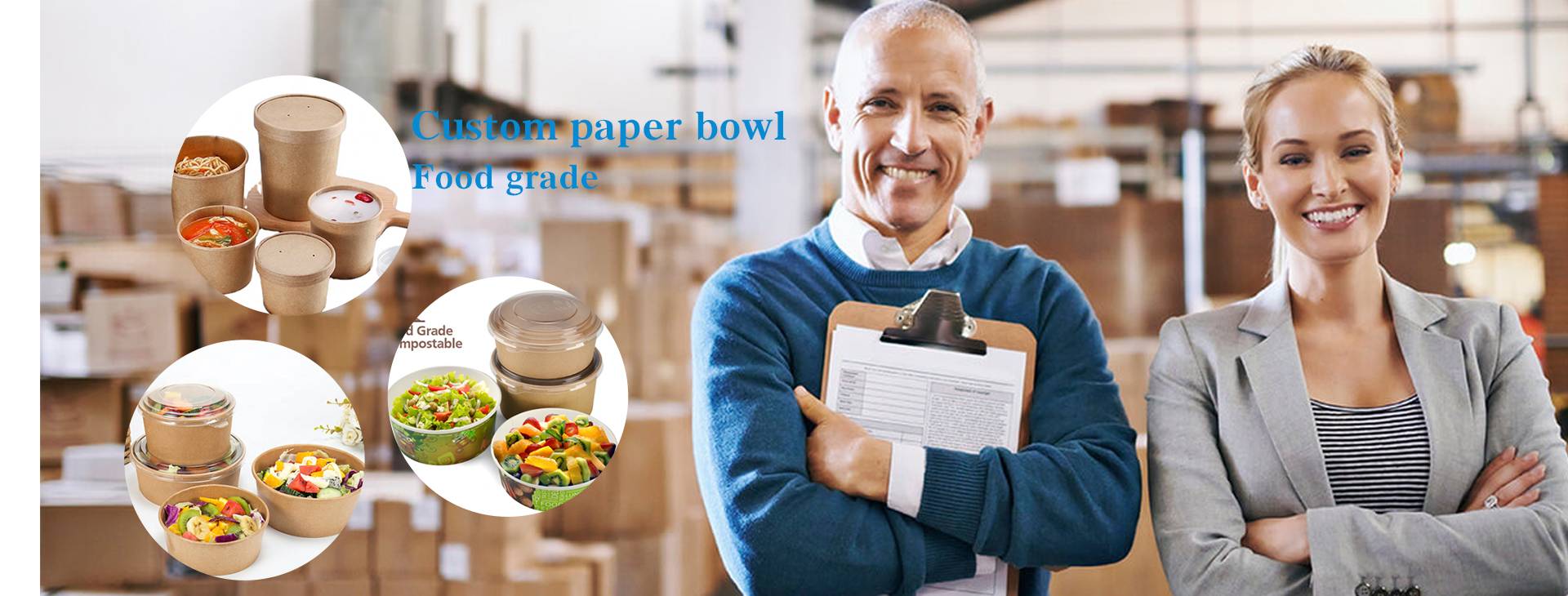
Our 520cc paper bowl custom solutions combine sturdy, food-safe paperboard with options for grease-resistant, PE-free, or fully compostable barriers to suit diverse menu needs. Designs can be tailored in rim profile, depth, wall strength and full-color printing, while optional secure lids and insulation features support hot or cold servings. Products are developed to meet international food-contact standards and to reduce environmental impact across the lifecycle. From concept to delivery we provide design consultation, rapid prototyping, regulatory testing and scalable production with strict quality control and sustainable sourcing. Flexible MOQs, efficient packaging and coordinated global logistics ensure predictable lead times and competitive costs for procurement teams worldwide, delivering certified, ready-to-market bowls that fit your supply chain requirements.

{ Paper Bowl 520cc Custom Solutions, From Concept to Delivery}
Specification Detail Typical Test / Standard Notes
Nominal capacity 520 cc (≈520 mL) Measured by calibrated fill test Measured with flat fill to brim
Material (primary) Virgin or recycled paperboard, food-contact grade Food-grade pulp specifications Fiber composition adjusted per customer request
Internal coating / barrier PLA (compostable) or PE (polyethylene) options Barrier integrity per hot-fill test Choice affects recyclability and compostability
Top diameter 130 mm (±3 mm) Dimensional inspection Common size for 520 cc capacity
Height 40 mm (±3 mm) Dimensional inspection Height selected to optimize volume and stacking
Wall thickness 0.45 mm (typical) Caliper measurement Can be adjusted for rigidity or cost
Average weight per piece ~18 g (±1.5 g) Batch weight sampling Depends on paper grade and coating
Maximum recommended temperature 100 °C for short contact (hot-fill) Hot-fill test: 95–100 °C for 1–2 min Microwave reheating short bursts generally acceptable; verify for coated option
Leak performance No visible leakage for 30s at 95 °C Dynamic leak test & visual inspection Longer durations require validation
Seal strength (lid interface) > 2.0 N/cm typical Peel/traction test Depends on lid type and seal geometry
Typical quality tests Leak test, burst strength, dimensional, visual print check Routine QC per production run Sample documentation available on request
Compostability / recycling PLA-coated: industrially compostable; PE-coated: conventional recycling not recommended Applicable standards: EN 13432, ASTM D6400 (verification required) End-of-life depends on coating and local infrastructure
Printing options Flexographic, digital (UV or water-based inks), full-bleed available Color control via lab dip / proof Up to CMYK + 2 spot colors typical; special finishes on request
Lid compatibility Flat snap-on lids or dome lids designed for 130 mm rim Seal fit verification Lid material choice affects heat and barrier properties
Production lead time (typical) 15–30 calendar days after artwork and approval Depends on order complexity Rush options may be available subject to validation
Sample lead time 7–10 calendar days for standard samples Prototype QC available Custom tooling may add time
Packaging / palletization Boxes with inner separators; palletized with protective film Unit count per box varies by client spec Typical pallet: several thousand units depending on box configuration
Customization notes Custom rim profiles, embossing, QR/traceability printing and barrier upgrades available. All customizations require pre-production approval and validation testing to confirm performance under intended use conditions.

Related Products

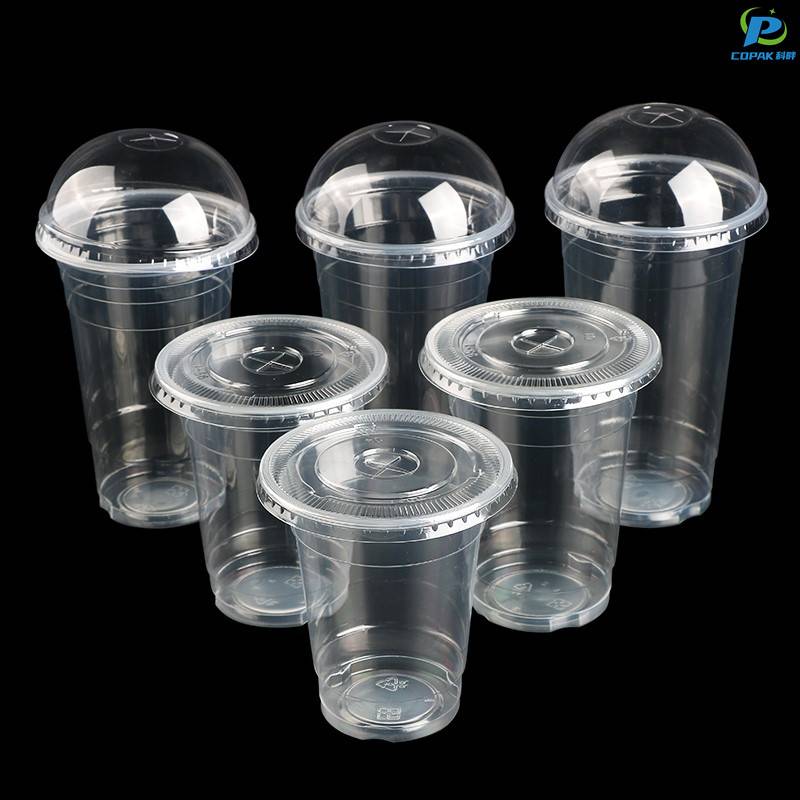
PET Cups

Paper Bowl 520cc Manufacturer Sets the Industry Standard

Material Adoption Breakdown for 520cc Disposable Bowls (Industry Estimate)

This chart presents a hypothetical distribution of material adoption across the industry for 520cc disposable bowls, illustrating the relative prevalence of common construction approaches. Compostable fiber cups, which are designed to break down in industrial composting environments, are shown as the leading category at 40%. Polycoated paper bowls, featuring a thin polyethylene or wax coating to resist moisture, account for 30% of the estimated market share. Polylactic acid (PLA) lined bowls represent 15%, reflecting growing interest in bioplastic barriers where compostable infrastructure exists. Recycled paper content makes up 10% of use, indicating partial incorporation of recovered fibers without full compostable or coated performance. The remaining 5% is allocated to other niche or hybrid materials, such as aluminum-laminated paper or novel barrier blends. These proportions are illustrative, intended to communicate how material choices can affect recyclability, compostability, cost, and performance. For example, higher adoption of compostable fiber and PLA can reduce landfill persistence but may require specific industrial composting systems. Polycoated paper provides reliable liquid resistance for hot or saucy foods but complicates recycling streams where coating separation is not feasible. Recycled fiber content supports circularity by reducing virgin pulp demand but may necessitate additives or coatings to maintain strength. When interpreting the visualization, stakeholders should consider local waste management infrastructure, product performance requirements, regulatory drivers, and consumer preference trends. Manufacturers balancing barrier performance and sustainability may blend strategies—using recycled fibers with minimal coatings or adopting certified compostable linings where available. This chart encourages data-informed decisions by highlighting trade-offs between material prevalence and end-of-life pathways, enabling procurement and design teams to align 520cc bowl specifications with environmental goals and operational realities. Regular monitoring of material performance, cost trends, and regional waste policies helps manufacturers and buyers adapt specifications over time, improving lifecycle outcomes and matching supply chains to circular economy objectives.

Top Selling Products

Subscribe To Our Newsletter

For inquiries about our products or pricelist, please leave your email to us and we will be in touch within 24 hours.

Follow Us

on our social media
  • whatsapp (1)
  • instagram
  • youtube