



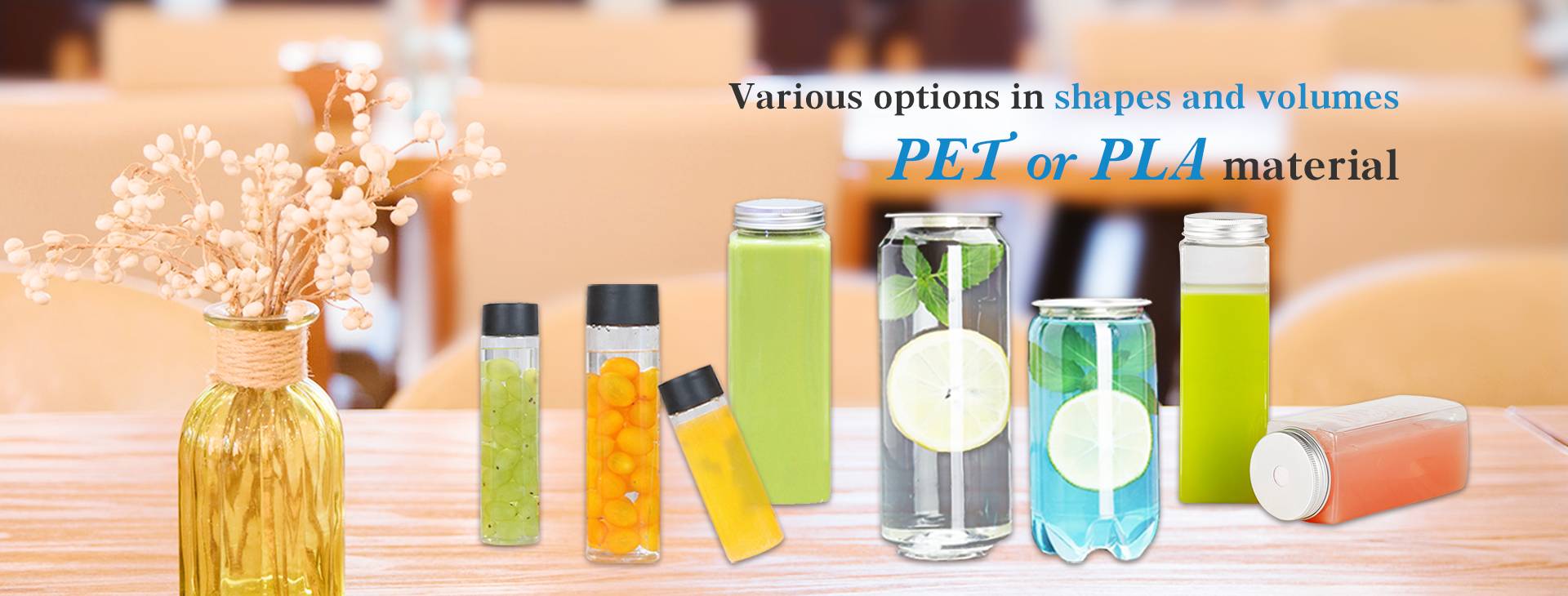
China PET Spicy Bottle & Food Grade PET Bottle Manufacturer
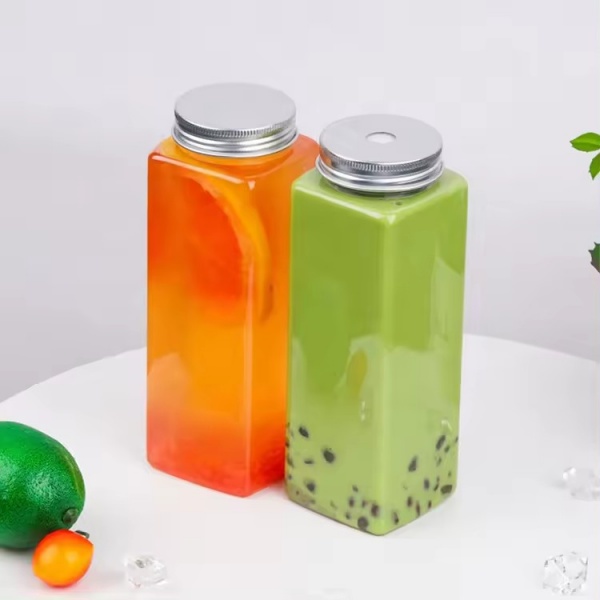
As a China Manufacturer, I understand what B2B buyers are looking for in packaging. Our PET spicy bottle'Food grade PET bottle series delivers consistent quality, with food-grade PET resin that passes standard tests for contact with edible products. I offer bottles in various sizes, bright consistent color, good clarity, impact resistance, and light weight to reduce shipping costs. We ensure leak-proof caps, tamper-evident seals, and easy-to-fill 5- to 1000-ml formats. For clients in China or abroad, we provide fast MOQs, scalable production, and OEM customization. I handle strict quality control, ISO-certified processes, and responsive service from inquiry to shipment. If you're a buyer seeking reliable supply from a confirmed Manufacturer, I can tailor labeling, batch traceability, and packaging to meet your brand's standards. Let me help you simplify sourcing and protect product integrity with our PET spicy bottle'Food grade PET bottle solution.
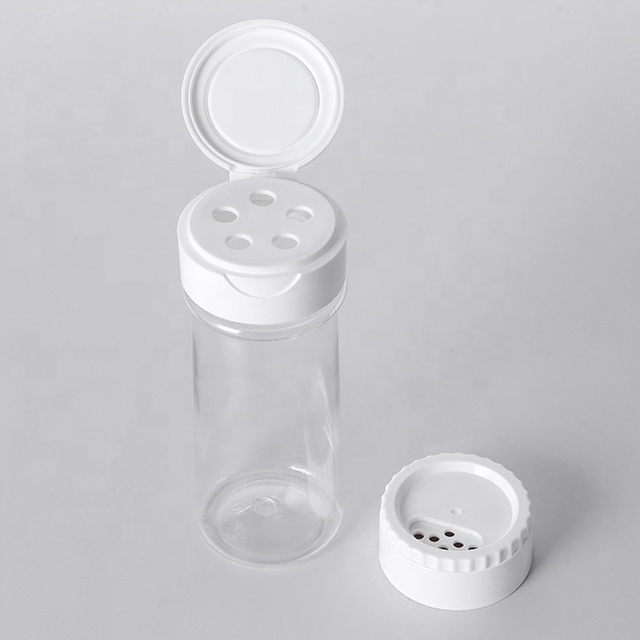

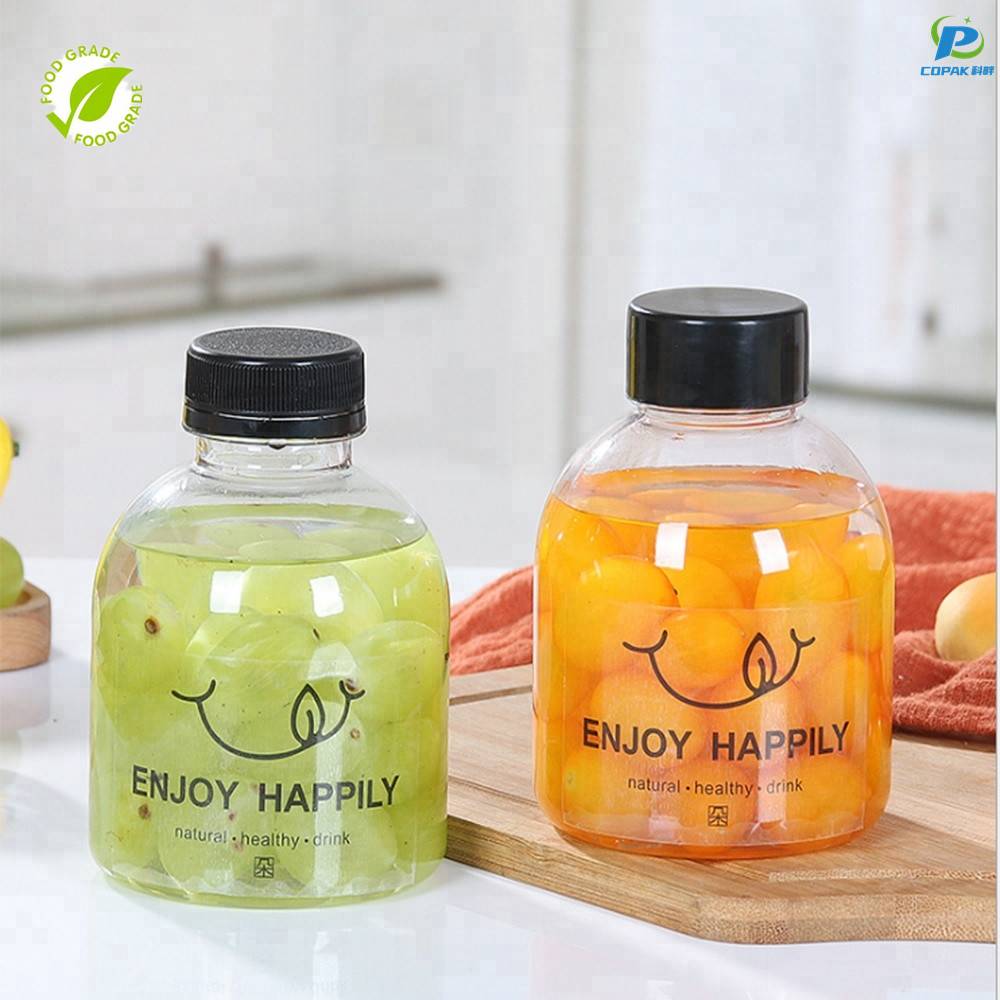


PET spicy bottle'Food grade PET bottle Application Where Innovation Meets 2025
As global demand for convenient, safe and sustainable condiment packaging accelerates toward 2025, food-grade PET spicy sauce bottles are becoming the go-to solution for manufacturers and retailers. Engineered for high-barrier performance, squeezability and heat-resistant filling processes, these bottles protect flavor and viscosity while offering tamper-evident and portion-control dispensing options. Lightweight, shatter-resistant and compatible with hot-fill and pasteurization lines, they support faster production runs and reduced freight costs. Innovation now centers on circularity and branding: mono-material PET designs, high-rPET content, UV and aroma barriers, custom neck finishes and full-surface printing deliver shelf impact without sacrificing recyclability. Global buyers benefit from scalable molded tooling, rigorous food-contact compliance (FDA/EU standards), inline quality control and flexible order volumes to match seasonal demand. For procurement teams seeking cost-effective, customizable and sustainable packaging for spicy condiments, these PET solutions align performance with market trends through 2025 and beyond.
| Attribute | Typical / Range | Units / Format | Relevance to Spicy Sauce Application | Notes / Compliance |
|---|---|---|---|---|
| Polymer Grade | Bottle-grade PET (virgin or food-grade rPET) | — | Standard material for clear, lightweight condiment bottles and squeezables | Manufactured to food-contact specifications when intended for food use |
| Density | 1.37–1.40 | g/cm³ | Determines weight and feel of bottle; influences blow-molding behavior | Typical for PET; consistent manufacturing needed for uniform bottles |
| Intrinsic Viscosity (IV) | 0.70–0.85 | dL/g | Controls melt strength for stretch-blow molding; affects final mechanical properties | Common range for bottle-grade PET |
| Glass Transition Temperature (Tg) | 70–80 | °C | Above Tg the bottle becomes more deformable; important for hot-fill and storage | Design must account for Tg when choosing filling/sterilization temperatures |
| Melting Temperature (Tm) | 245–265 | °C | Relevant for processing (extrusion, injection, reheat stretch-blow) | Typical crystalline PET melting range |
| Mechanical Strength (Tensile) | ≈55–75 | MPa | Ensures bottle integrity during filling, transport and use (squeezing) | Values vary by orientation and processing |
| Stiffness (Young's Modulus) | 2.0–2.8 | GPa | Affects bottle rigidity and resilience for dispensing sauces | Typical for amorphous PET containers |
| Elongation at Break | ≈50–200 | % | Reflects ductility — important for squeeze performance and drop resistance | Highly dependent on molecular orientation |
| Oxygen Barrier | Moderate | Qualitative | Critical for shelf-life of oil-containing or low-acid spicy condiments (oxidation risk) | Can be enhanced with EVOH, SiOx/AlOx coatings, or multilayer constructions |
| Water Vapor Barrier | Low-to-moderate | Qualitative | Sufficient for many condiment formulations; sensitive formulations may need barrier upgrades | Use of liners/overcaps can improve protection against moisture or aroma loss |
| Chemical Resistance | Good (acids/alcohols); moderate to oils | — | PET resists vinegar-based sauces well; oil-based sauces may cause aroma uptake/scalping | Testing recommended for high-oil or high-surfactant formulas |
| Thermal Processing Compatibility | Hot-fill/pasteurization possible; not for retort | °C / process notes | Hot-fill typically up to ~85–95°C for short periods with appropriate relaxation designs | Retort/sterilization at ≥121°C generally incompatible with standard PET geometry |
| Wall Thickness (Typical) | 0.3–1.5 | mm | Determines rigidity, weight and squeeze characteristics for sauce dispensing | Depends on bottle size and design (squeeze vs rigid pour) |
| Labeling & Decoration | Sleeve, shrink, direct print, IML | — | Clear PET allows attractive presentation; sleeves enable full-coverage graphics for spicy product ranges | Decoration can impact recyclability if not chosen carefully |
| Closures / Dispensing | PP screw caps, flip-tops, or dispensing nozzles | — | Preferred closures ensure controlled pour/squeeze and protect against leakage and contamination | Use liners for acidic or oily sauces to maintain seal integrity |
| Regulatory / Food Contact | Compliant when produced to food-contact specs | — | Essential to validate migration limits and overall compliance for spicy sauces | Commonly manufactured to meet FDA and EU food-contact regulations; specific validation required per formulation |
| Recycling & Sustainability | Recyclable (PET #1); rPET feasible | — | Enables circularity strategies; consider mono-material or easily separable labels to improve recycling yield | Quality of rPET must be validated for food use per local regulations |
| Shelf-life Guidance | 6–24 (varies) | months | Acidic, vinegar-based sauces usually have longer shelf-life; oil-rich sauces are more prone to oxidation | Real shelf-life requires product-specific microbiological and stability testing |
| Typical Bottle Volumes & Forms | 50 mL – 2 L | mL / L | Common sizes for retail sauces; designs include squeeze, pour, and dispenser formats | Format selection depends on consumer use-case and filling method |
Related Products


PET spicy bottle'Food grade PET bottle Stands Out Your End-to-End Solution
Top Selling Products


- Related Blog
- Reviews
- Reviews
