



Plastic Condiment Bottle - China Manufacturer for Food Service
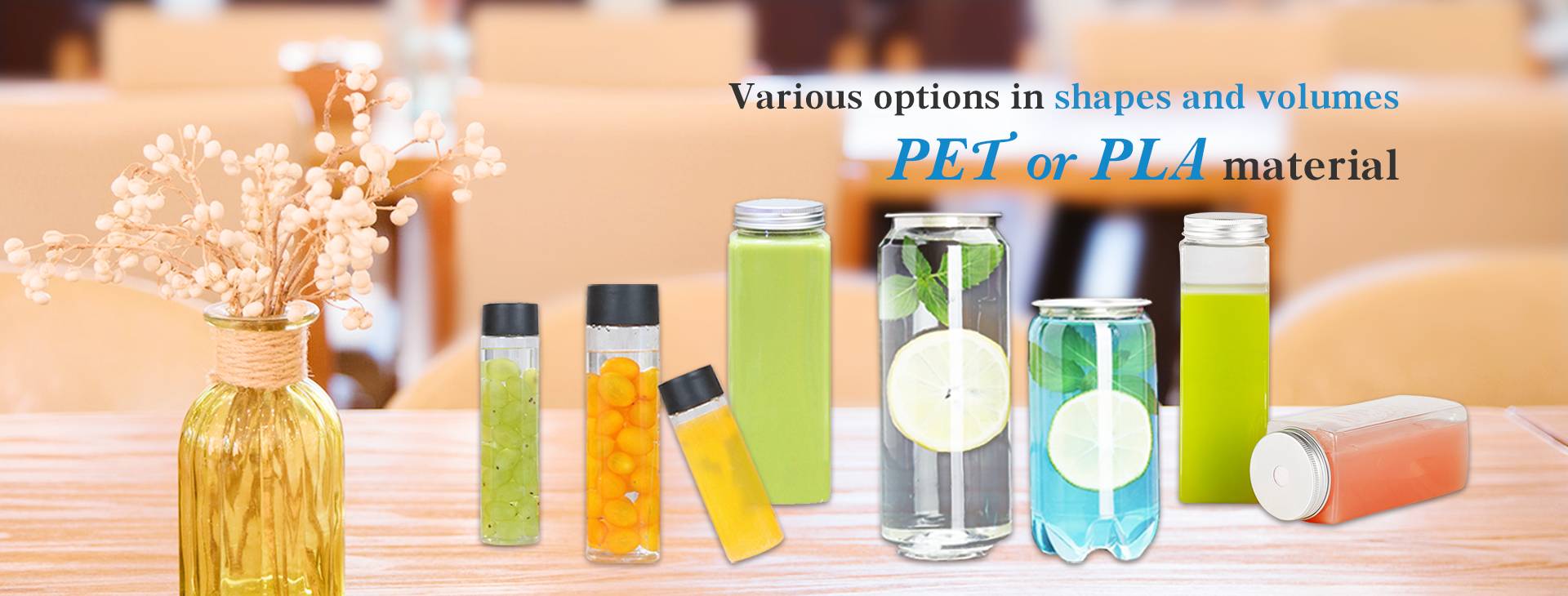
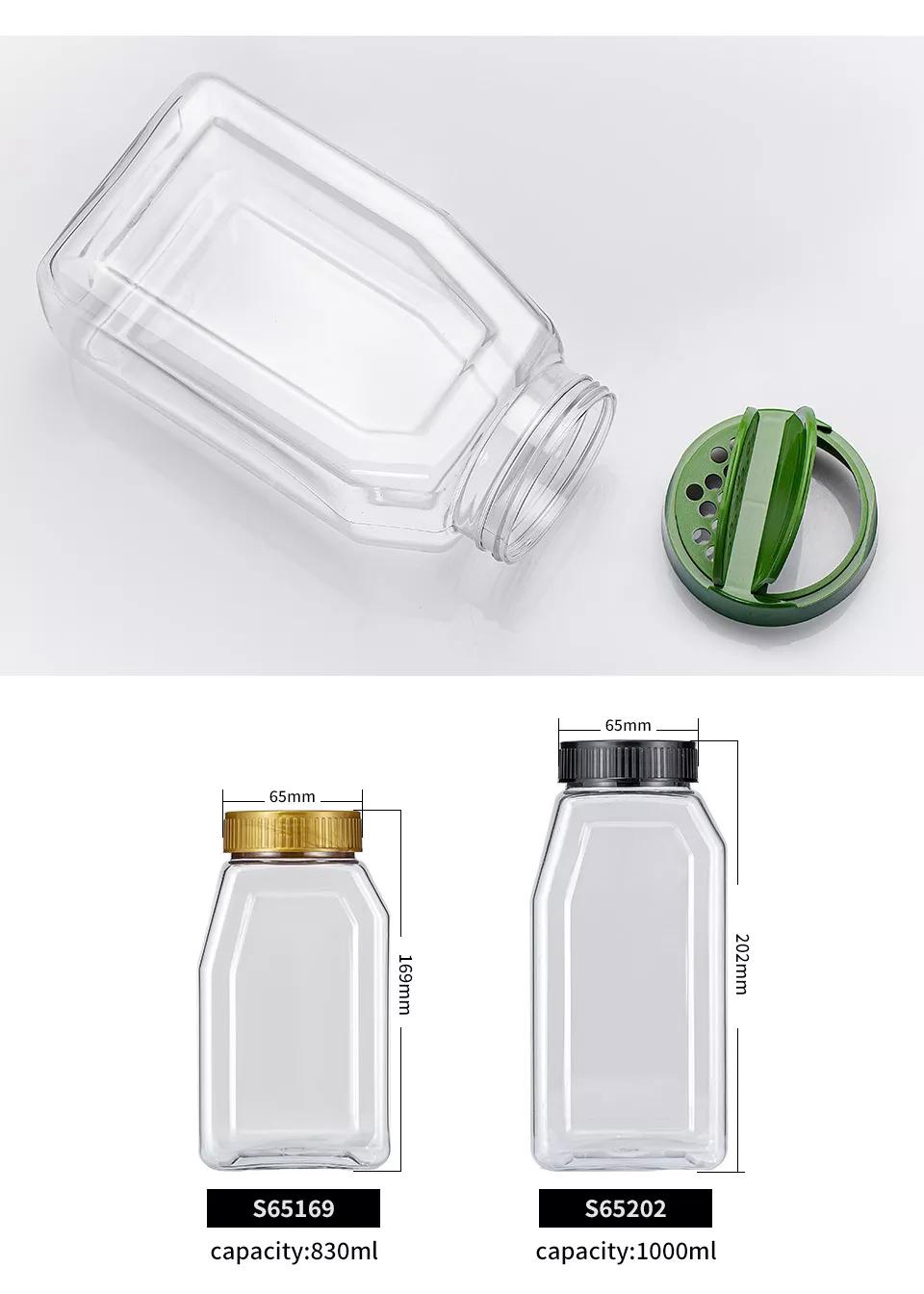
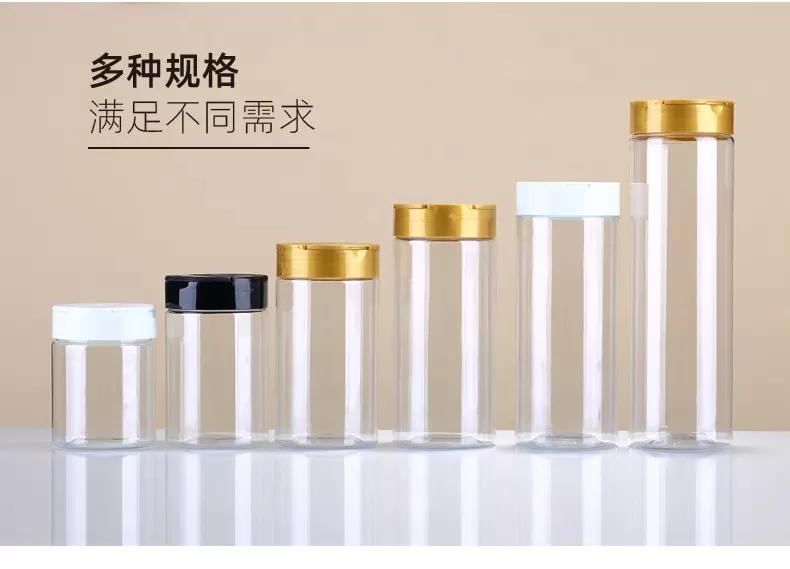
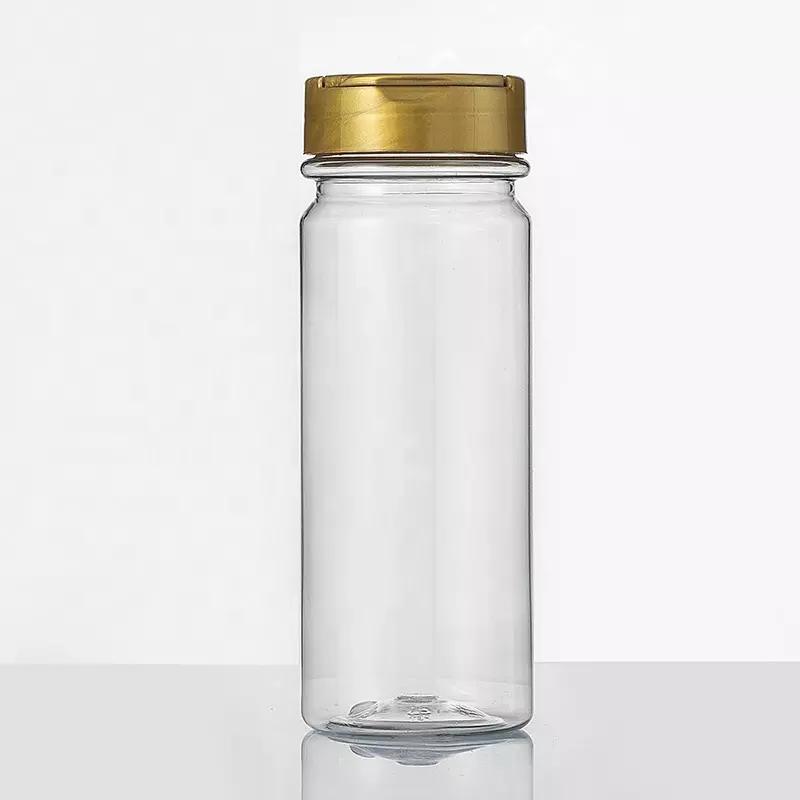
As a China-based manufacturer, I bring you reliable plastic condiment bottle lines designed for high-volume kitchens, grocery chains, and food-service brands. I focus on durable HDPE and PET materials, with tight-picking caps, leak-proof seals, and tamper-evident rings to protect your products. Our plastic condiment bottles come in 50ml, 100ml, 180ml, 250ml, 350ml sizes, clear or tinted options, and compatible push-pull or flip-top closures. I offer customization: color, nozzle size, label-ready finish, and silkscreen branding to fit your packaging concept. MOQ flexible, lead times short, and certification ready (FDA/LFGB/ROHS) for China markets and export. I know B2B buyers care about cost-per-use, shelf appeal, and supply stability—so I keep stock ready and ensure fast shipping. If you're seeking a dependable partner in China who can supply top-quality plastic condiment bottles to meet your specs, I’m here to discuss your project.


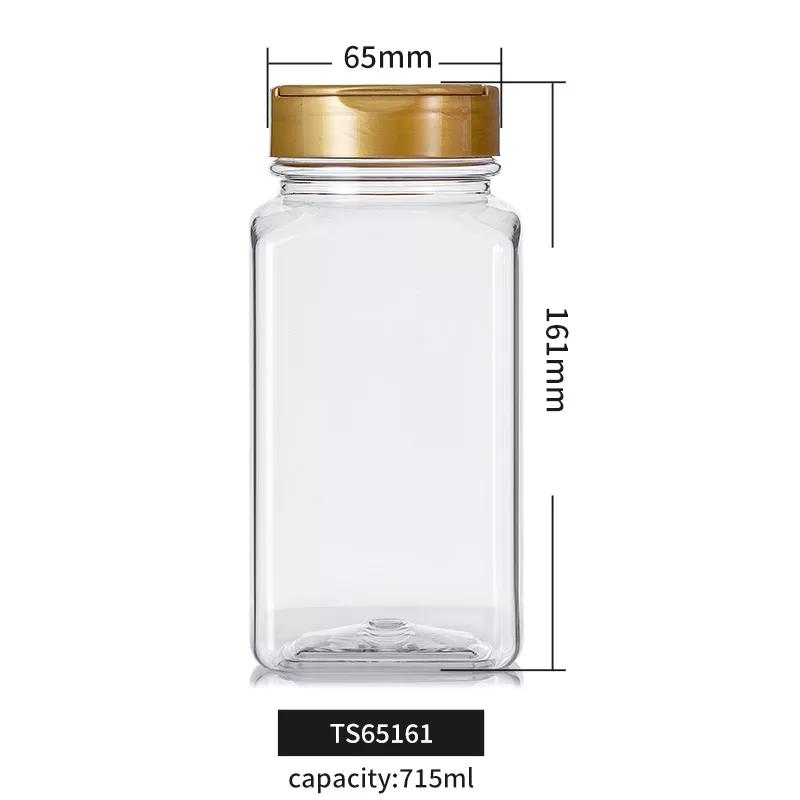
plastic condiment bottle Your End-to-End Solution More Than a Supplier - A Partner
As a China-based manufacturer of plastic condiment bottles, we deliver an end-to-end partnership that goes beyond simply supplying parts. From concept and rapid prototyping to mold design, automated production and stringent food-grade quality control (FDA/EU-compliant materials such as HDPE/LDPE/PET), we provide fully customizable bottle shapes, capacities, closures, and nozzle options plus private-label finishing. Vertical integration and in-house tooling shorten lead times and ensure consistent quality at scale. For global procurement teams focused on reliability and cost-efficiency, we offer flexible MOQs, competitive pricing, sustainable material choices (PCR and recyclable plastics), batch testing and export-ready packaging with coordinated logistics. Technical support, sample verification and continuous improvement programs make us a long-term partner in reducing waste, speeding time-to-market and protecting brand reputation—tailoring turnkey solutions to your product, shelf and distribution needs.
{ plastic condiment bottle Your End-to-End Solution More Than a Supplier - A Partner}
| Model | Capacity (ml) | Material | Closure Type | Nozzle Type | Color | Height (mm) | Diameter (mm) | Weight (g) | Liner | Recyclability (%) | Certifications | Lead Time (days) | MOQ (units) | Temperature Range (°C) | Packaging | Sustainability Score | Supplier Reliability | Defect Rate (%) | Origin | End Uses | |
|---|---|---|---|---|---|---|---|---|---|---|---|---|---|---|---|---|---|---|---|---|---|
| PCD-01 | 250 | PET | Flip-top | Fine | Clear | 105 | 60 | 14 | Yes | 90 | FDA, EU 10/2011 | 15 | 2000 | -20 to 60 | Bulk carton | 78 | 4.6 | 0.30 | USA | Ketchup; Mustard; Salad dressing | |
| PCD-02 | 200 | HDPE | Screw-on | Standard | Amber | 110 | 58 | 13 | No | 85 | FDA | 20 | 3000 | '-15 to 50' | Bulk carton | 72 | 4.4 | 0.40 | China | Soy sauce; BBQ sauce | |
| PCD-03 | 300 | PET | Push-pull | Wide | Clear | 120 | 70 | 18 | Yes | 92 | FDA, LFGB | 18 | 1000 | -5 to 70 | Bulk carton | 82 | 4.8 | 0.25 | USA | Honey; Syrups | |
| PCD-04 | 375 | PET | Flip-top | Narrow | Clear | 125 | 72 | 21 | Yes | 88 | FDA | 22 | 1500 | -20 to 65 | Bulk carton | 75 | 4.5 | 0.35 | Germany | Mustard; Mayonnaise | |
| PCD-05 | 500 | PET | Screw-on | Wide | Amber | 130 | 78 | 28 | Yes | 90 | FDA | 28 | 800 | -10 to 60 | Bulk carton | 76 | 4.2 | 0.20 | India | Salad dressings; Spices | |
| PPD-06 | 100 | PP | Pump | Fine | Clear | 90 | 50 | 12 | No | 70 | FDA | 12 | 5000 | -30 to 40 | Bulk carton | 68 | 4.0 | 0.45 | Vietnam | Table sauces | |
| PCD-07 | 150 | PET | Flip-top | Standard | Clear | 98 | 56 | 14 | Yes | 89 | FDA, EU | 16 | 1200 | -20 to 60 | Bulk carton | 79 | 4.3 | 0.28 | Mexico | Ketchup; BBQ | |
| PCD-08 | 350 | PET | Screw-on | Wide | Clear | 135 | 68 | 22 | Yes | 93 | FDA | 25 | 1000 | -15 to 70 | Bulk carton | 83 | 4.7 | 0.22 | France | Salad dressing; Vinegar |
Related Products
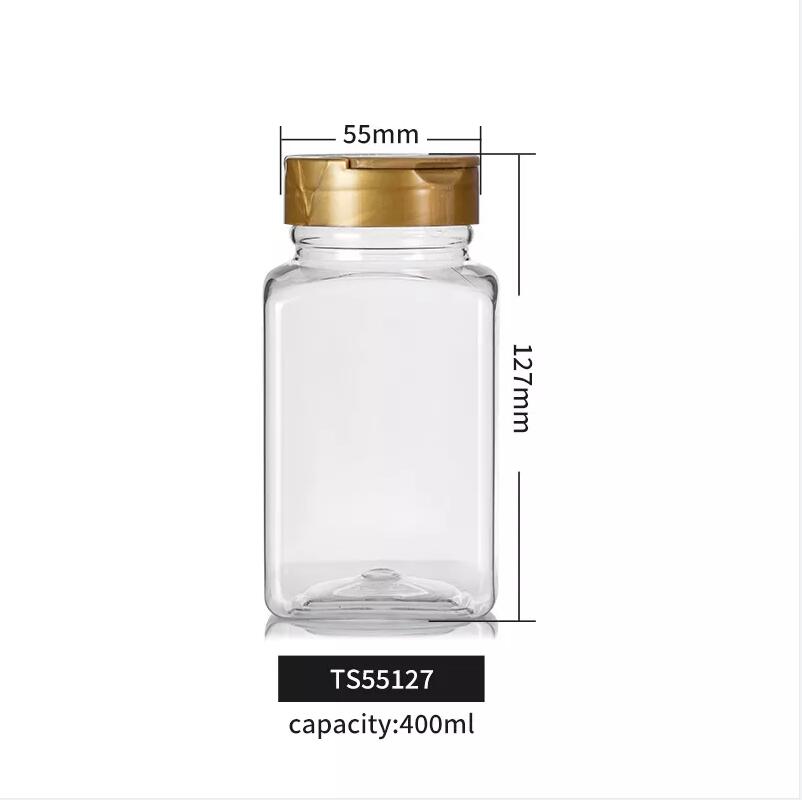
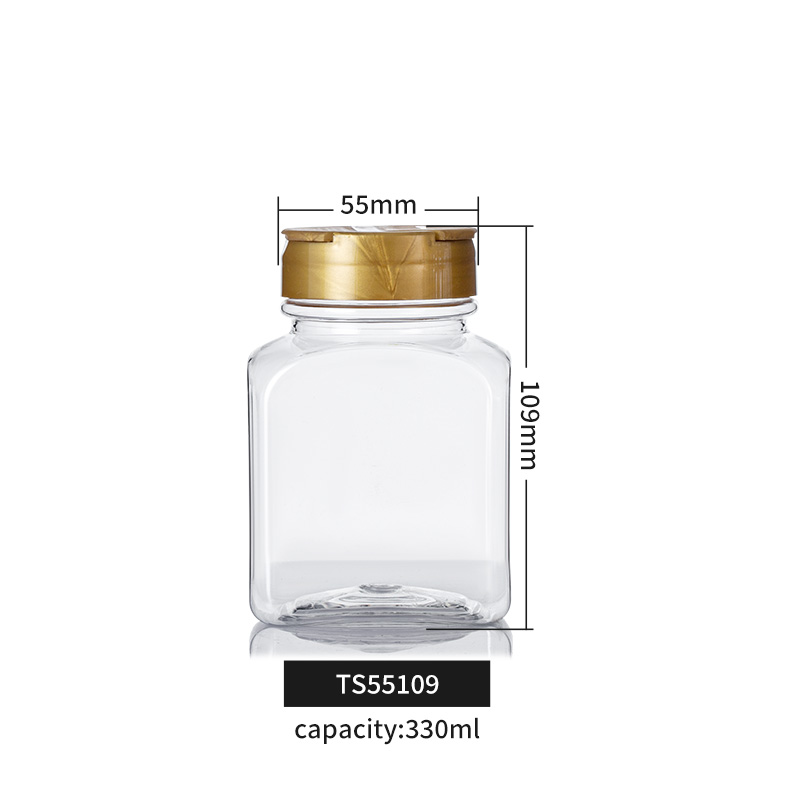
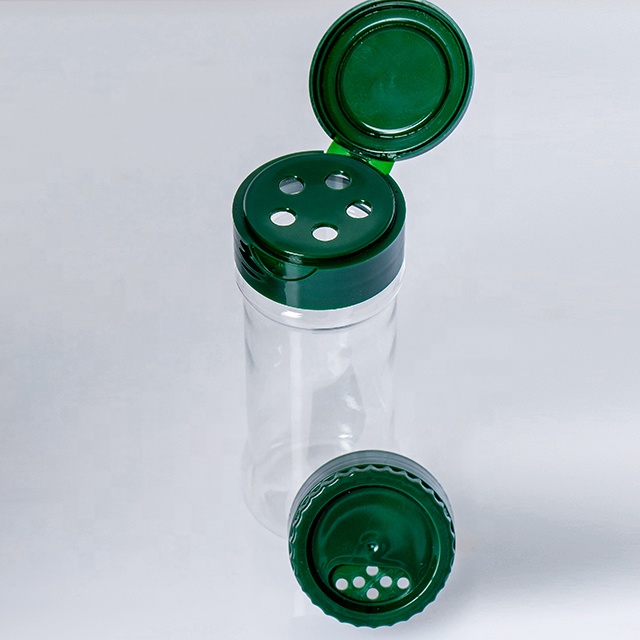


plastic condiment bottle in 2025 Industry Leaders
Top Selling Products



- Related Blog
- Reviews
- Reviews
