



Plastic Spice Bottle Manufacturers in China | Leading Manufacturer
As a China-based manufacturer, I work with plastic spice bottle manufacturers to deliver reliable packaging that keeps spices fresh and compliant. We offer PET and HDPE spice bottles in standard and custom colors, with tamper-evident caps, spray, and measuring options from 50ml to 500ml. I know what B2B buyers want: steady supply, strong quality control, and quick lead times. We provide OEM customization, labeling, and MOQs tailored to your market. Our sourcing follows strict audits for RoHS and REACH, with UV protection options to preserve aroma. In China, I focus on a transparent, responsive supply chain, reliable on-time delivery, and competitive pricing. If you’re looking for a long-term partner among plastic spice bottle manufacturers, I’ll support you with samples, packaging optimization, and scalable production capacity, so your shelves never run dry.


plastic spice bottle manufacturers Pioneers in the Field Service Backed by Expertise
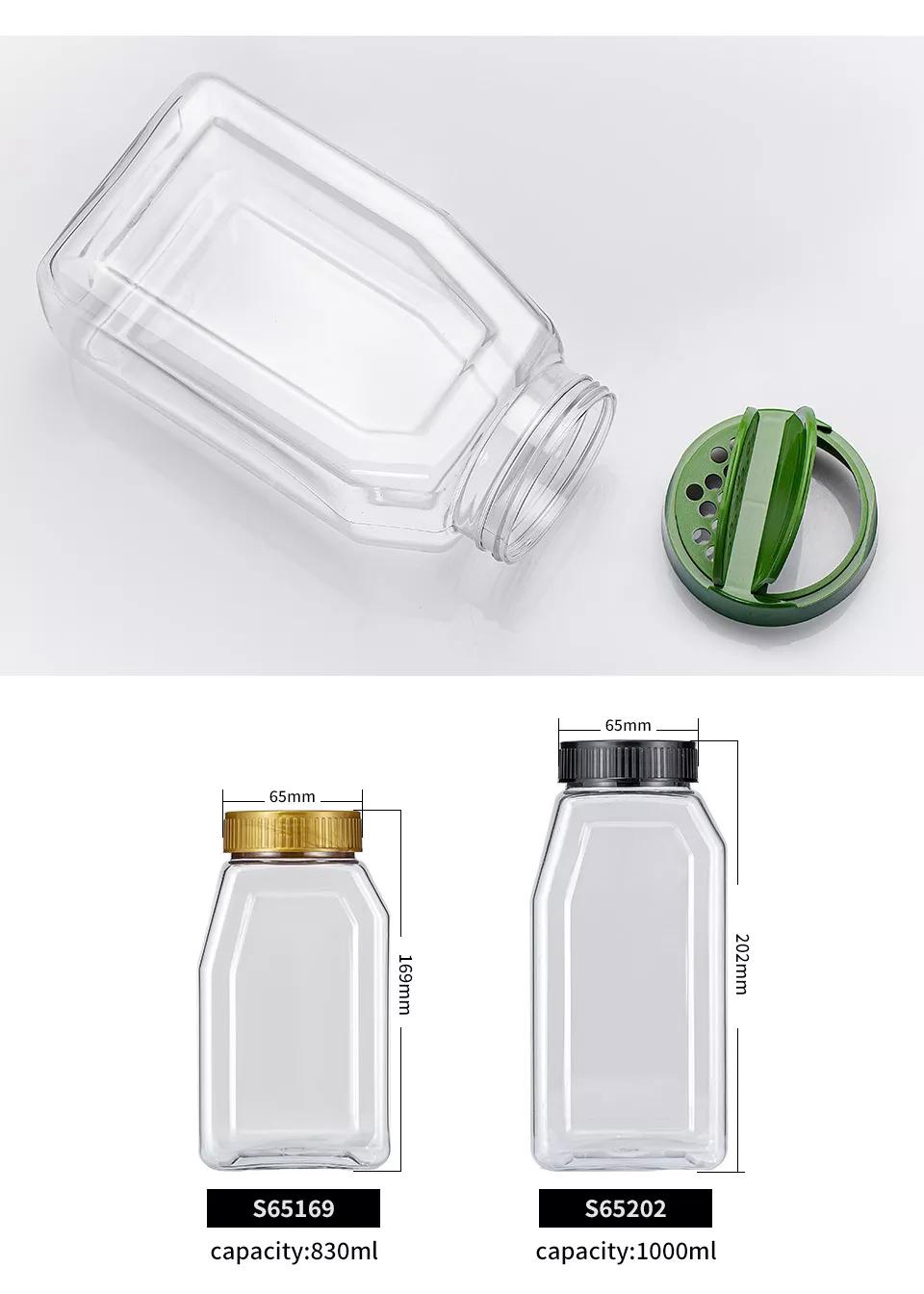
As pioneers in plastic spice bottle manufacturing, we combine deep industry expertise with modern production technology to deliver durable, food-safe containers tailored for global markets. Our R&D and design teams optimize bottle geometry, closure systems and dispensing options to preserve aroma and ensure accurate portioning, while strict material selection and processing protocols meet international food-contact standards such as ISO, FDA and EU regulations. From lightweight PET to PCR and recyclable solutions, product innovation balances performance, cost and sustainability. Customer-focused service underpins every project: flexible tooling and OEM capabilities, reasonable MOQs, transparent lead times and robust quality control from prototyping to final inspection. Global logistics experience, packed sample programs and responsive technical support simplify sourcing and speed time-to-market for retailers, spice brands and distributors. For procurement teams seeking a reliable manufacturing partner, our integrated approach ensures consistent quality, competitive pricing and scalable supply backed by hands-on expertise.
| Region | Manufacturing Country | Typical Materials | Capacity Range (ml) | Common Closure Types | Primary Production Methods | Relevant Certifications | Average Lead Time (weeks) | Typical Quality Controls | Sustainability Features | Typical Applications |
|---|---|---|---|---|---|---|---|---|---|---|
| East Asia | China | PET, PP, HDPE (food-grade; virgin & PCR blends) | 30–250 | Screw cap; shaker/sifter; flip-top | Injection stretch blow molding (ISBM); injection molding (caps) | ISO 9001; FDA food-contact compliance; EU food-contact regulation | 4–6 | Visual inspection; leak testing; dimensional SPC; migration testing | PCR content options; lightweighting; mono-material designs for recyclability | Retail spice bottles; tabletop shakers |
| South Asia | India | HDPE, PP, PET (food-grade) | 50–500 | Screw cap; snap-on; sifter | Injection molding; extrusion blow molding for larger sizes | ISO 9001; FDA/EU compliance available on request | 5–8 | Batch sampling; pressure/leak testing; visual QC | Local resin sourcing; recyclable HDPE; water-based inks | Bulk spice packaging; industrial kitchens; retail upright bottles |
| Southeast Asia | Vietnam | PET, PE, PCR-blend resins | 20–200 | Shaker insert; sifter cap; disc-top | Injection molding; ISBM for clear PET bottles | ISO 9001; EU food-contact compliance | 3–6 | Statistical process control; migration testing; color consistency checks | Post-consumer recycled PET; reduced wall thickness; export-focused packaging | Export retail packaging; travel-size spice bottles |
| Europe | Poland | PET, HDPE, PP (EU food-grade resins) | 15–250 | Flip-top; sifter; shaker | Injection molding; ISBM; blow molding | ISO 9001; ISO 14001; EU food-contact regulation | 4–7 | Full traceability; batch migration testing; tensile & drop tests | High PCR content options; recyclability certification; refillable designs | Premium retail; specialty blends; eco-labeled products |
| North America | USA | PET, HDPE, Tritan (BPA-free) | 30–300 | Shaker; flip-top; child-resistant options | Injection molding; blow molding; multi-component assembly | FDA food-contact compliance; ISO 9001 | 6–8 | In-house lab testing; migration & extractables; lot traceability | Recycled-content options; refillable systems; lightweighting | Retail; foodservice; private-label spice lines |
| Latin America | Mexico | HDPE, PET, PP | 50–400 | Screw cap; shaker; flip-top | Extrusion blow molding; injection molding for closures | ISO 9001; regional food-contact standards | 4–7 | Leak & pressure testing; dimensional checks; visual QC | Local resin sourcing; recyclable HDPE; simplified pack designs | Bulk retail; culinary industry; food processors |
| Middle East & Africa | Turkey / South Africa | PET, HDPE (food-grade) | 30–350 | Screw cap; shaker | Injection molding; blow molding | ISO 9001; FDA/EU compliance available | 5–8 | Visual QC; leak testing; sample migration tests | Recyclable designs; lightweighting; regional sourcing options | Retail spices; export markets; private-label distribution |
Related Products
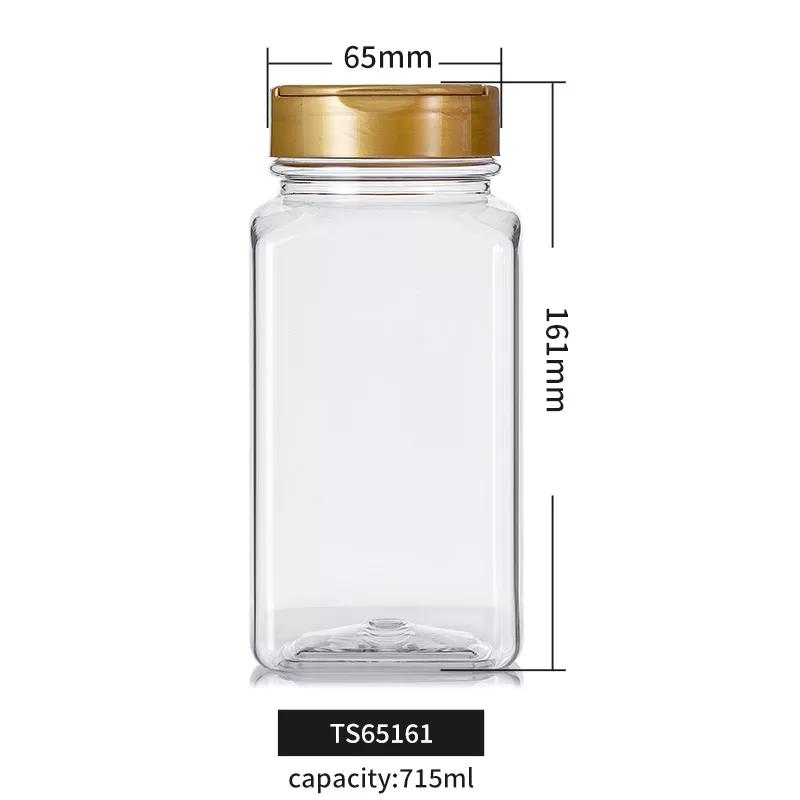


plastic spice bottle manufacturers Products Custom Solutions,
Top Selling Products



- Related Blog
- Reviews
- Reviews
