PET Bottles

Soup Paper Bowl: China Manufacturer of Eco-friendly Disposable Bowls

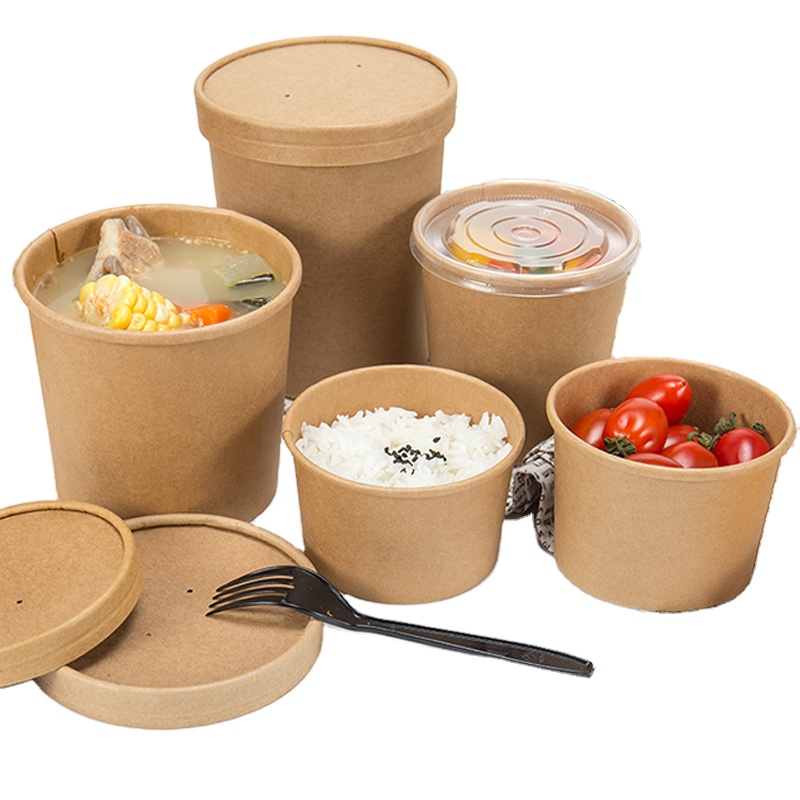
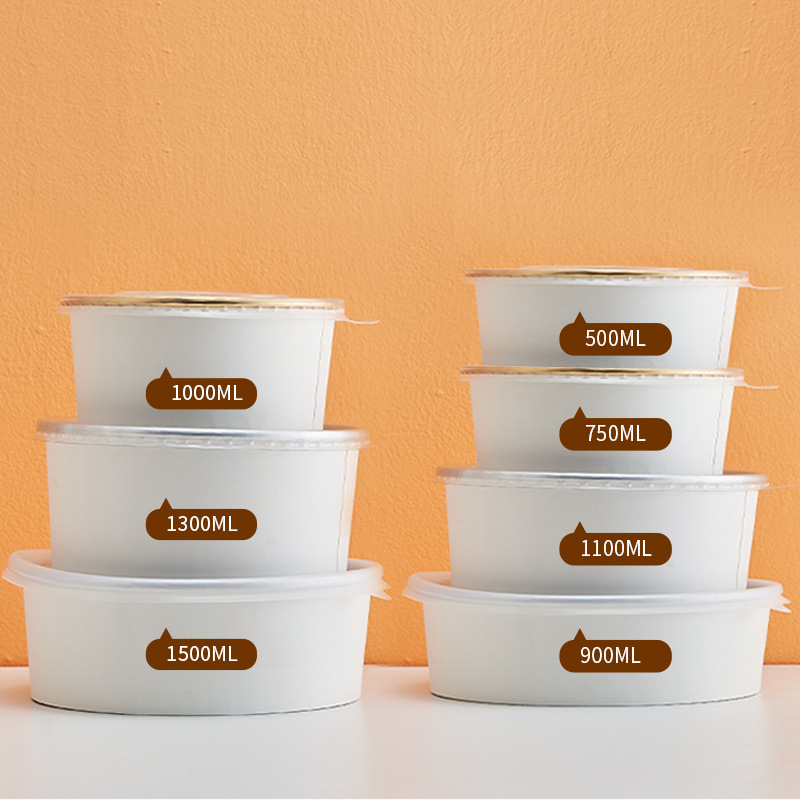
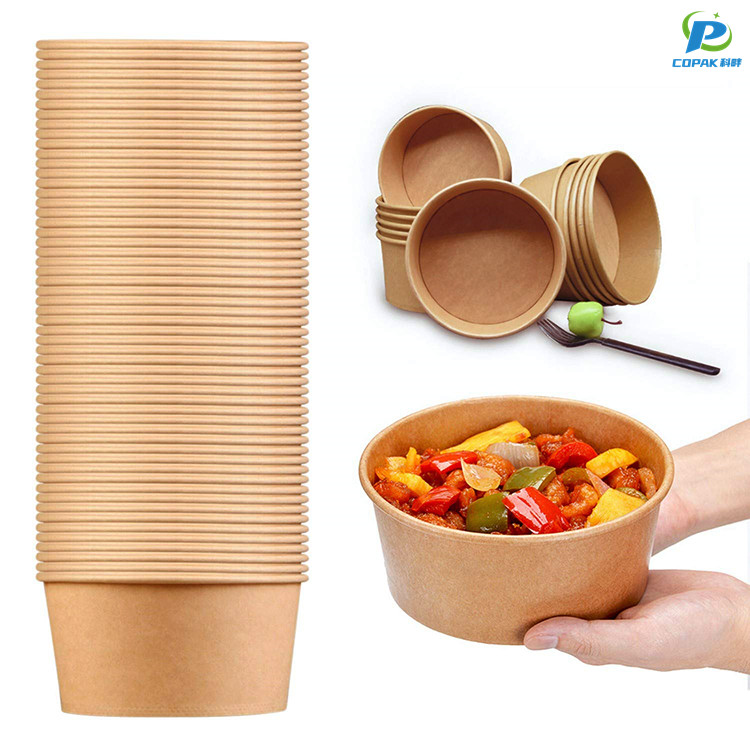
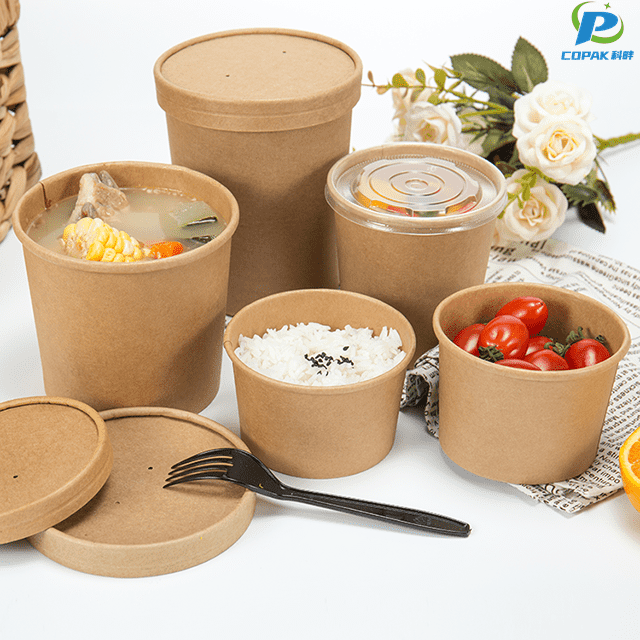
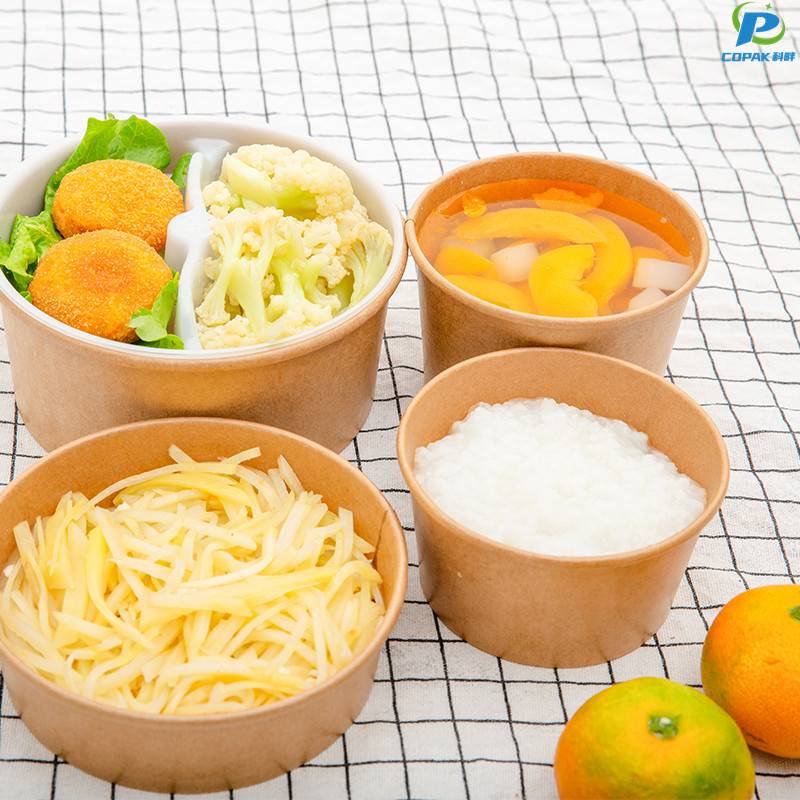
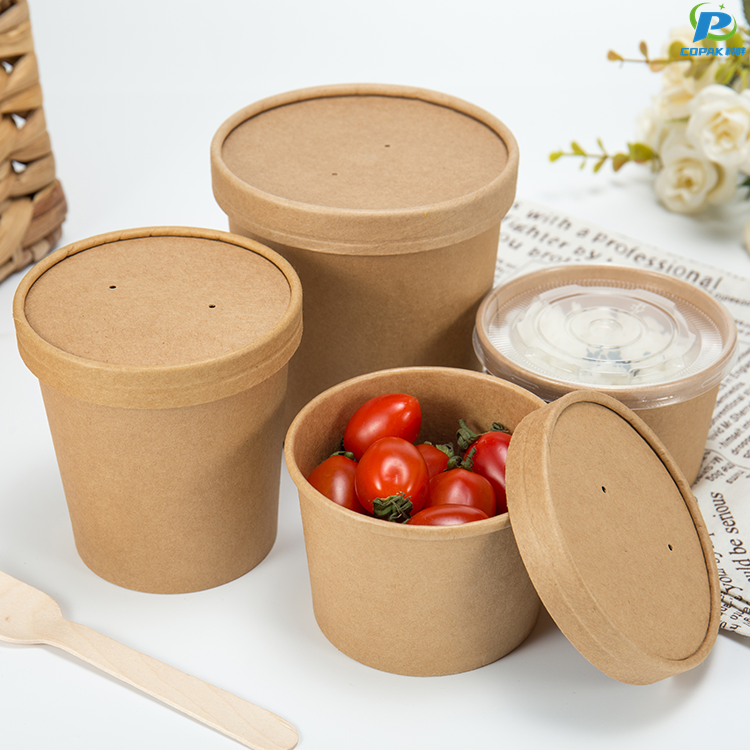
From my workshop in China, I offer a reliable Soup Paper Bowl that meets the daily demands of takeout vendors and caterers. As a manufacturer, I control material choices, printing, and sealing to ensure heat resistance and leak-free performance. Our Soup Paper Bowl uses compostable paperboard with a water-based coating, suitable for hot soups up to 90°C and mild sauces. I stock standard sizes and offer custom printing options to boost brand visibility for chain restaurants, food courts, and event caterers. Because I understand buyer behavior in China and abroad, I keep price competitive while maintaining quality. My team focuses on food safety, ISO standards, and quick lead times, with flexible MOQs for trials. Whether you need single-use packaging for delivery or in-store service, this bowl provides sturdy stackability, minimal liner waste, and easy disposal for customers. Partner with me, a China-based Manufacturer, to scale your soup service with confidence.
Hot Selling Product

Soup Paper Bowl in 2025 Service Backed by Expertise

As demand for convenient, sustainable foodservice solutions rises in 2025, soup paper bowls have evolved from basic disposables into high-performance, eco-conscious packaging. Modern soup bowls combine grease- and leak-resistant linings, high-temperature stability for hot liquids, and compostable or recyclable substrates that meet international food-safety standards. Buyers benefit from customizable sizes, double-wall insulation, full-color printing and certified materials that align with EU/US regulations and consumer sustainability expectations. Service backed by industry expertise ensures reliable supply and smooth global sourcing: rigorous quality control, pre-production samples, technical support for material and ink choices, flexible OEM/ODM options, and optimized logistics for consistent lead times. Whether scaling seasonal orders or launching a new branded line, partnering with experienced manufacturers helps reduce risk, cut costs, and accelerate time to market with soup bowl solutions built for 2025 and beyond.

{ Soup Paper Bowl in 2025 Service Backed by Expertise}
Metric Unit 2023 2024 (observed) 2025 (projected) Notes
Compostable paper bowl market share % 28 36 45 Growth driven by wider adoption of certified compostable coatings and public procurement policies.
Thermal retention (85°C → 60°C) minutes 14 16 19 Improvements due to optimized wall geometry and low-emissivity coatings for heat retention.
Leak failure rate (30 min at 90°C) % 6.0 4.5 2.5 New sealant and ply-bonding processes reduced hot-liquid leak incidents.
Basis weight (paperboard) gsm 170 180 190 Slight increase reflects multi-ply constructions to improve stiffness and spill resistance.
Average product mass g / bowl 19 17 16 Design optimization reduced material use while maintaining strength for hot liquids.
Industrial composting: days to 90% biodegradation days 60 50 35 Faster breakdown with optimized fiber blends and certified compostable coatings.
Home composting: days to 90% biodegradation days 140 120 90 Home composting times remain longer; education and optimized formulations improve results.
Recyclability: municipal acceptance rate % 30 38 52 Water-based coatings and clearer labelling increased acceptance in sorting facilities.
Certification adoption (industrial compostability) % of SKUs 40 52 68 Rapid increase as buyers demanded verified end-of-life performance.
Cradle-to-gate GHG emissions kg CO2e / bowl 0.085 0.076 0.065 Lowered through recycled fiber content, renewable energy use, and lighter designs.
Average time-to-market for a new bowl design days 120 95 70 Service improvements and standardized testing shortened development cycles.
Technical support satisfaction (post-launch) score / 5 3.8 4.1 4.5 Enhanced training, quicker troubleshooting, and clearer compliance guidance improved scores.

Related Products

Eco Friendly Products

Soup Paper Bowl Delivers Unmatched Quality Where Service Meets Innovation

Sustainability, Performance, and Service Innovation Scores for Disposable Soup Bowls

This chart compares three product states—Current Model, Industry Average, and Next‑gen Prototype—across six dimensions relevant to disposable soup bowls: Material Sustainability, Thermal Performance, Leak Resistance, Service Responsiveness, Innovation Features, and Manufacturing Quality. Scores are normalized to a 0–100 scale to allow direct comparison. The Current Model outperforms the industry average across all dimensions, demonstrating a balanced focus on both material selection and production quality. Material Sustainability and Leak Resistance are particularly strong for the Current Model (82 and 85), suggesting an emphasis on eco-friendly substrates and sealed construction techniques that reduce waste and consumer complaints. Thermal Performance is adequate (78) but lags behind the prototype, indicating room to enhance insulation without compromising recyclability. The Next‑gen Prototype leads in nearly every category, with especially high marks for Innovation Features (95), Manufacturing Quality (91), and Leak Resistance (92). This reflects experimental design investments such as multilayer compostable laminates, improved seam bonding, and integrated ergonomic rims. Service Responsiveness captures after‑sales and supply chain agility; the prototype’s score (85) suggests piloted improvements in logistics and customer feedback loops, whereas the Current Model (74) still relies on established but slower processes. For product strategy, the visualization highlights two actionable priorities: first, accelerate thermal and insulation enhancements for market competitiveness without sacrificing sustainability; second, scale service innovations (response time, flexible order fulfillment) from prototype trials into production to reduce lead times and strengthen customer satisfaction. For sustainability reporting and procurement, the chart provides a concise snapshot to guide material sourcing and R&D investments. Stakeholders can use these normalized scores to model tradeoffs—e.g., maintain recyclable content while incorporating thin insulating layers—or to prioritize pilot runs that validate performance gains at scale. Overall, the grouped bar view makes it straightforward to track progress across technical, service, and innovation axes over successive product iterations.

Top Selling Products

Subscribe To Our Newsletter

For inquiries about our products or pricelist, please leave your email to us and we will be in touch within 24 hours.

Follow Us

on our social media
  • whatsapp (1)
  • instagram
  • youtube