



Spice Bottle Manufacturer in China | Trusted China Manufacturer
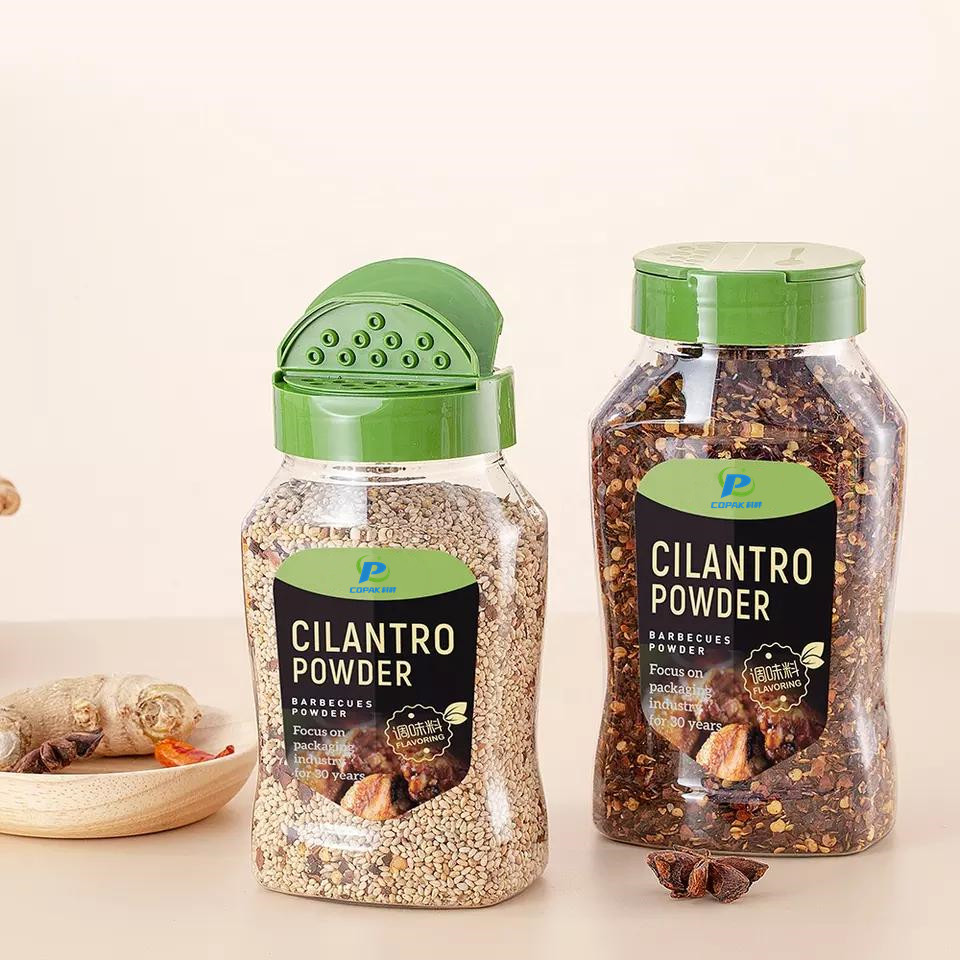
We are a China-based manufacturer of spice bottle solutions, built for bulk buyers who value reliability and cost efficiency. We focus on delivering exacting quality for every order, from design sketch to final packing. The spice bottle we offer is sturdy, BPA-free PET or glass, with tight-sealing caps, easy-grip shoulders, and clear graduations for precise seasoning. We customize volumes, lid colors, label windows, and print logos to match your brand. Lead times are short, MOQs flexible, and we can do OEM ODM to fit your project. Shipping from our China facility is streamlined for global distribution, with air and ocean options available. If you're sourcing spice bottle needs for supermarkets, catering suppliers, or spice brands, we can tailor a solution that lowers total cost while boosting shelf appeal. Let's discuss your specs and get you samples quickly.


spice bottle Leads the Global Market Delivers Unmatched Quality
A premium spice bottle that leads the global market combines precision engineering, food‑grade materials, and thoughtful design to keep herbs and seasonings fresher, longer. Engineered with airtight seals, adjustable pourers, and durable, shatter‑resistant glass or BPA‑free plastic options, this bottle delivers consistent performance for retail, foodservice, and private‑label brands. Rigorous quality control, compliance with international standards, and customizable finishes ensure each unit meets the expectations of discerning buyers worldwide. For global purchasers seeking reliable partners, scalable production capacity, flexible OEM/ODM services, and optimized logistics translate into competitive pricing and timely deliveries. From sample runs and color matching to bespoke packaging and bulk shipping solutions, the focus is on reducing lead times and minimizing total cost of ownership while maintaining traceability and sustainability. Partnering with a specialized manufacturer enables faster market entry and stronger shelf appeal for your spice range.
| Attribute | Typical Values / Examples | Notes / Rationale |
|---|---|---|
| Common Bottle Materials | Glass; PET (polyethylene terephthalate); HDPE (high-density polyethylene); Aluminum tin | Glass used for premium aroma retention and recyclability; PET and HDPE are lightweight, impact-resistant and used widely in retail; metal tins used for specialty blends. |
| Retail Capacities (ml) | Common sizes: 30 ml, 50 ml, 100 ml, 200 ml | These capacity ranges cover single-spice retail jars to family-sized packaging; capacity selection depends on spice density and consumption rate. |
| Typical Dimensions (approx.) | 50 ml ≈ H85×Ø35 mm; 100 ml ≈ H110×Ø45 mm; 200 ml ≈ H140×Ø55 mm | Standardized dimensions ease shelf planning and retail display; actual dimensions vary by neck finish and lid design. |
| Shelf Life for Dried Spices | Typically 24–36 months (ambient, sealed packaging) | Shelf life depends on light, oxygen exposure and storage; airtight glass or multilayer barrier containers extend aroma retention. |
| Common Closure Types | Screw caps; shaker inserts; flip-top lids; snap-on or press-fit closures | Shaker inserts facilitate dispensing ground spices; tamper-evident and vacuum-sealed closures used for freshness assurance. |
| Filling Methods | Manual/hand-filling (small scale); auger fillers for powders; net-weight piston or vibratory fillers | Auger and vibratory systems are industry standard for precise net-weight filling of fine powdered spices to meet label claims. |
| Recyclability & End-of-Life | Glass: widely recyclable; PET & HDPE: commonly recyclable where collection exists; mixed-material components may reduce recyclability | Design for recycling favors single-material solutions and easy-to-remove inserts or labels to improve circularity. |
| Key Food-Contact Compliance | FDA food contact compliance; EU Regulation (EC) No 1935/2004; ISO 22000 / HACCP practices applied in manufacturing | Regulatory compliance for food-contact materials is required in most export markets; traceability and hygiene controls are standard. |
| Primary Global Demand Regions | South Asia; East Asia; North America; Europe | Culinary traditions and retail distribution shapes demand; South and East Asia are high-volume spice consumers per capita. |
| Typical Consumer Preferences | Clear glass for visibility; resealable closures; convenient shaker dispensing; premium matte or printed labels | Visibility, ease-of-use and perceived freshness drive retail purchase decisions; sustainable packaging is increasingly prioritized. |
| Environmental Trade-offs | Glass: high recyclability but heavier transport footprint; PET: lower transport emissions due to light weight but dependent on local recycling infrastructure | Material selection balances circularity, carbon footprint, product protection and cost; refillable and bulk options reduce per-unit waste. |
| Quality & Sensory Protection | Opaque or UV-blocking glass for light-sensitive spices; oxygen barrier liners and inert gas flushing for premium packs | Protecting volatile oils (aroma) is critical; packaging that minimizes oxygen and light exposure preserves flavor and shelf life. |
Related Products


spice bottle in 2025 Manufacturers You Can Rely On
Top Selling Products



- Related Blog
- Reviews
- Reviews
