



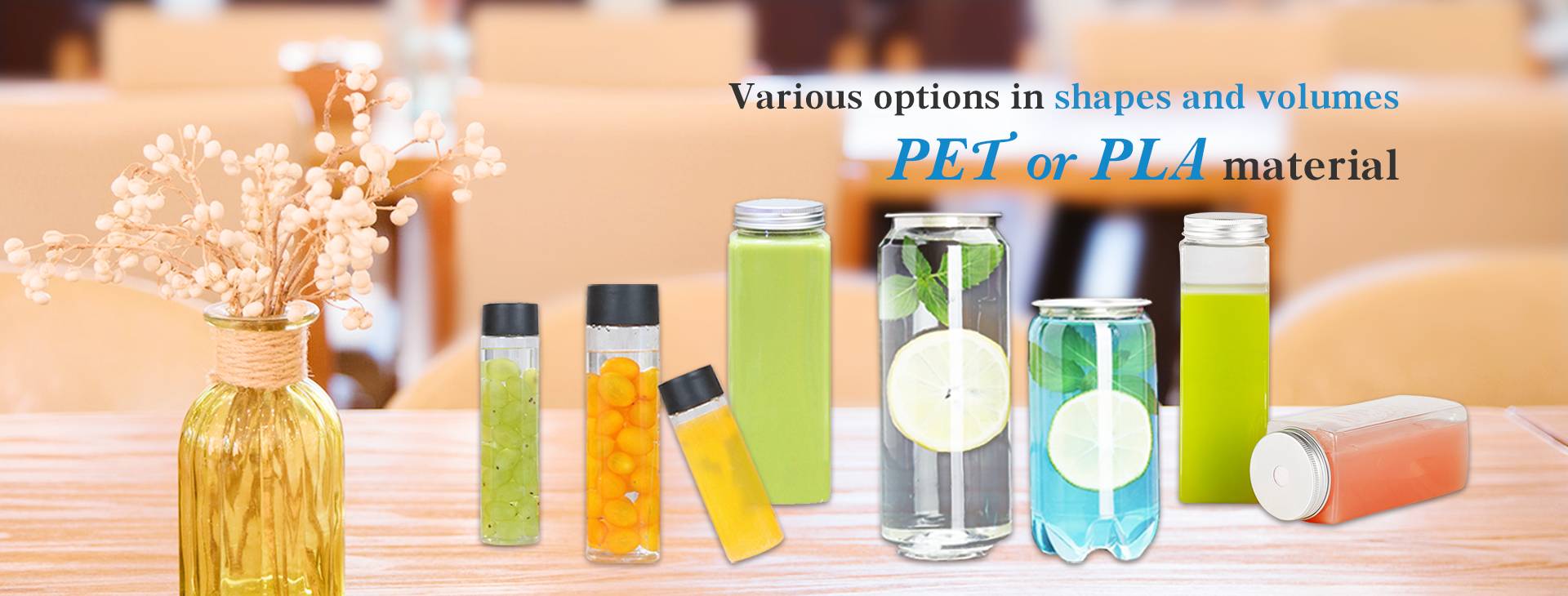
China Plastic Milk Bottle Manufacturer - Reliable Supplier in China
As a China-based manufacturer, I offer premium packaging solutions with safety, durability, and cost efficiency in mind. Our China Plastic Milk Bottle is designed for dairy, beverage, and yogurt brands seeking reliable, GMP-friendly packaging. I use food-grade PET/HDPE materials, tamper-evident caps, and leak-resistant finishes to meet shelf-ready standards. We customize volumes from 250ml to 2000ml, with options for UV protection and barrier properties to extend shelf life. With our production facilities in China, I ensure competitive lead times and scalable supply, backed by strict QC and ISO standards. For buyers seeking a reliable supplier, I can offer private labeling, color matching, and flexible packaging runs. As a direct manufacturer, I cut out middlemen, passing savings to you while maintaining consistent quality. If you're sourcing beverages, dairy, or nutritional products, our bottles meet global food-contact standards and come with strong supplier support from prototyping to mass production.


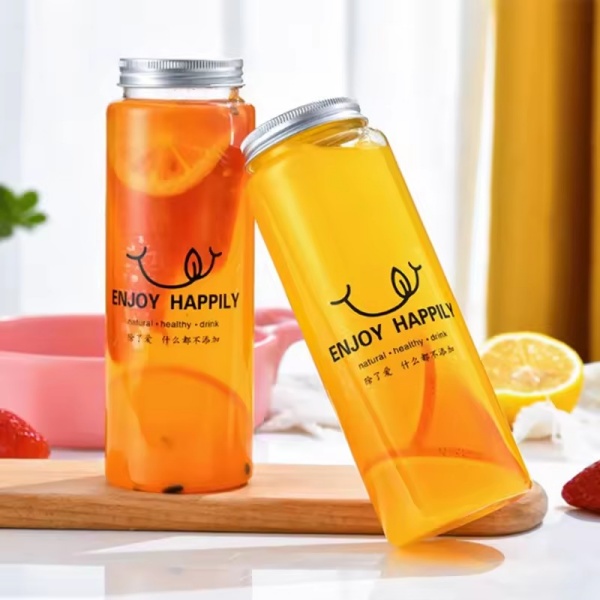


China Plastic Milk Bottle Trusted by Pros Where Service Meets Innovation
For global buyers seeking dependable plastic milk bottles from China, our production blends industry-grade materials, advanced molding technology and rigorous quality control to meet demanding dairy and beverage standards. We supply lightweight, high-barrier bottles in PET, HDPE and rPET with tamper-evident caps, customizable neck finishes and printing options, and comply with FDA, EU and third-party testing to ensure food safety, shelf life and consistent fill performance. Service-focused sourcing means fast sampling, flexible MOQ, OEM/ODM capabilities and reliable lead times supported by professional QC and streamlined export logistics. Sustainability initiatives—lightweighting, recyclable content and efficient packaging—help lower costs and carbon footprint. If your procurement priorities are quality, innovation and predictable delivery, our integrated approach makes sourcing plastic milk bottles from China efficient and competitive.
| Bottle Type | Material | Common Capacities (mL) | Representative Dimensions (1L) mm | Empty Weight (1L) | Wall Thickness (mm) | Closure Type | Sterilization / Fill | Recyclability Code | Oxygen Transmission Rate (OTR) | Recommended Storage °C | Typical Use Case | Compliance & Standards |
|---|---|---|---|---|---|---|---|---|---|---|---|---|
| Standard HDPE Milk Bottle | HDPE (High‑Density Polyethylene) | 250 / 500 / 1000 / 2000 | 225 × 90 | 40–45 g | ≈1.2 | PP screw cap with tamper‑evident ring | Cold‑fill, pasteurization (≤75°C), limited hot‑fill (≤85°C); not for retort | 2 (HDPE) | ≈100–200 cc/m²·day (23°C / 50% RH) | 2–8 (refrigerated) | Fresh pasteurized milk, local dairy delivery | Food contact compliant (FDA / EU 10/2011); migration limits met |
| Heavy‑Duty HDPE | HDPE (reinforced mold) | 1000 / 2000 / 3000 | 230 × 95 | 55–70 g | 1.8–2.5 | PP screw cap, larger neck finish | Pasteurization and robust for transport; limited hot‑fill | 2 (HDPE) | ≈80–150 cc/m²·day | 2–8 (refrigerated) | Bulk milk, farm and institutional supply | Meets food contact regulations; mechanical strength verified |
| Clear PET Bottle | PET (Polyethylene Terephthalate) | 250 / 500 / 750 / 1000 | 220 × 84 | 25–35 g | 0.5–0.9 | PP screw cap with tamper band | Cold‑fill, pasteurization; some hot‑fill designs up to ≈85°C; not retort | 1 (PET) | ≈2–5 cc/m²·day | 2–8 (refrigerated) | Fresh and flavored milk, chilled beverages | FDA / EU food contact; meets migration and sensory testing |
| Aseptic PET (Multilayer / Barrier) | Multilayer PET (PET + barrier layer such as EVOH) | 250 / 500 / 1000 | 220 × 84 | 28–40 g | 0.7–1.2 | Aseptic‑compatible screw cap / seal | Aseptic filling for UHT shelf‑stable milk (no refrigeration required) | 1 (PET; multilayer may affect recycling stream) | <1–2 cc/m²·day (with barrier) | Ambient for UHT (recommended <25°C) | UHT milk, long‑life dairy beverages | Aseptic filling validation, FDA / EU food contact compliance |
| PETG (High Clarity, Tough) | PETG (glycol‑modified PET) | 250 / 500 / 1000 | 220 × 84 | 30–45 g | 0.6–1.0 | Screw cap with tamper band | Cold‑fill and pasteurization compatible; limited hot‑fill; not retort | 7 (Other) — recycling stream differs from PET | ≈3–7 cc/m²·day | 2–8 (refrigerated) | Premium clear packaging, flavored and retail milk | Meets food contact regulations (FDA / EU) when formulated for food use |
| High‑Barrier Multilayer PET (EVOH) | PET + EVOH barrier layer | 250 / 500 / 1000 | 220 × 84 | 35–50 g | 0.8–1.5 | Tamper‑evident screw cap or aseptic seal | Aseptic/UHT compatible; designed to extend shelf life of oxygen‑sensitive products | 1 (PET) — EVOH layer may require specialized recycling handling | <0.5–1 cc/m²·day | Ambient for UHT; refrigerated for fresh | UHT milk, oxygen‑sensitive dairy drinks | EVOH barrier meets migration limits; FDA / EU compliant for multilayer structures |
Related Products


China Plastic Milk Bottle Is The Best Your End-to-End Solution
Top Selling Products




- Related Blog
- Reviews
- Reviews
