



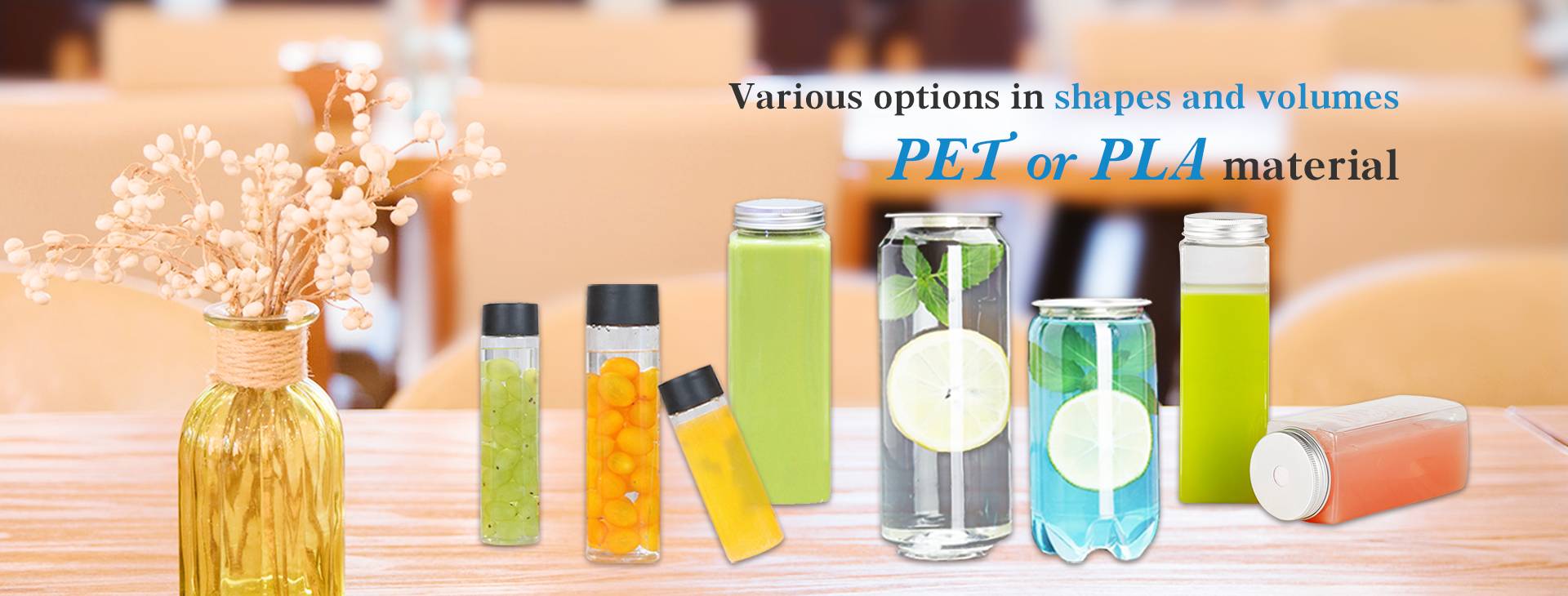
Plastic seasoning bottle; PET seasoning bottle - China Manufacturer
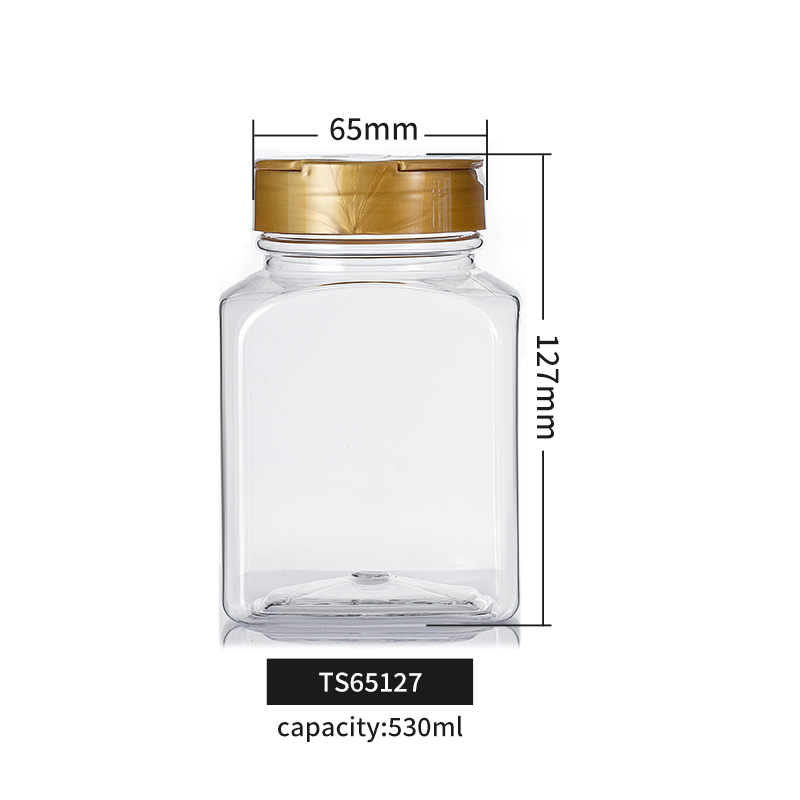
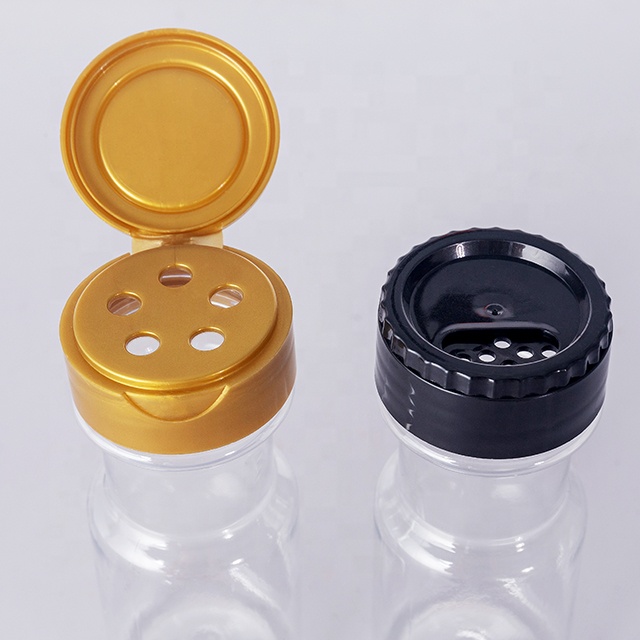
I am a China-based manufacturer and I’m proud to offer Plastic seasoning bottle; PET seasoning bottle that meets demanding food-grade standards. I supply durable, transparent PET bottles with leak-proof caps in multiple sizes for salt, pepper, sauces, and spices. As a buyer, you’ll value light weight, shatter resistance, and good chemical compatibility with common seasonings. My lines are designed for easy filling, precise dispensing, and label-friendly surfaces for your branding. I provide customization options: cap colors, dispense types, volume (50ml, 100ml, 200ml), tamper-evident seals, and printed or embossed logos. I can support private-label projects and offer fast lead times, small MOQ, and competitive pricing. If you looking for reliable packaging solutions, I welcome your inquiry. Let's discuss your needs and how we can help your product stand out on shelves worldwide.




Plastic seasoning bottle; PET seasoning bottle Leads the Global Market Guarantees Peak Performance
Plastic seasoning bottles made from PET are leading the global market thanks to superior clarity, light weight, strong barrier properties and food-grade safety. Engineered for peak performance, they preserve aroma and flavor, resist impact and provide leak-proof dispensing with a variety of caps and shaker options. Their recyclability and lower carbon footprint make them ideal for brands pursuing sustainability without sacrificing functionality. For global buyers, these bottles offer flexible capacities, customizable colors, printing and tamper-evident solutions, plus compliance with major international standards (FDA, EU). High-volume manufacturing, strict quality control and efficient logistics ensure reliable supply and consistent quality across markets. Investing in PET seasoning bottles delivers cost-effective packaging that protects product integrity and enhances shelf appeal.
| Metric / Attribute | PET | HDPE | Glass | PP | Other |
|---|---|---|---|---|---|
| Estimated market share (by units) | 60% | 15% | 10% | 9% | 6% |
| Annual global production (million units/year) | 1,200 | 300 | 200 | 180 | 120 |
| Typical bottle average weight | ≈ 8 g | ≈ 9 g | ≈ 120 g | ≈ 7 g | ≈ 10 g |
| Recyclability rate (end‑of‑life technical potential) | ~70% (mechanical recycling) | ~60% | ~90% (inert, high recoverability) | ~50% | ~40% (varied) |
| Common fill-size ranges | 30–500 ml (most common: 100–250 ml) | 50–500 ml | 30–1000 ml (premium/specialty) | 30–350 ml | variable |
| Typical oxygen transmission rate (OTR) | 2–10 cc/m²/day (moderate barrier) | 20–50 cc/m²/day (higher permeability) | ~0 (negligible) | 10–30 cc/m²/day | variable |
| Short‑term thermal stability (safe handling) | Up to ~120°C | Up to ~110°C | > 400°C (glass stable) | Up to ~130°C | ~100°C (dependent) |
| Common closure types | Screw cap, shaker caps, pump adaptors | Screw cap, snap-on shaker | Screw cap, cork or metal lid | Screw cap, flip-top, shaker | dropper, specialty closures |
| Dominant application segments | Oils, sauces, liquid condiments, squeezable containers | Thicker sauces, condiments, squeezable use | Premium sauces, vinegars, specialty oils | Spices, condiments, flexible containers | Specialty/novelty packaging |
| Consumer preference (1–5, usability + perceived sustainability) | 4.6 | 3.9 | 4.4 | 4.0 | 3.5 |
| Projected CAGR (2024–2031) | ≈ 5.2% (market growth driven by PET lightweighting) | ≈ 3.0% | ≈ 2.5% | ≈ 4.0% | ≈ 1.8% |
| Key technical advantages | Lightweight, clarity, good barrier balance, low cost to transport | Good chemical resistance, squeezability | Excellent barrier, inert, premium appearance | Heat resistance for hot‑fill, low density | Application‑specific benefits (e.g., laminated, multi‑layer) |
| Primary environmental considerations | Widely recyclable; microplastic/collection gaps remain | Recyclable where streams exist; often downgrading | Highly recyclable; heavy transport footprint | Lower recycling rates; polymer mix challenges | Depends on material; often hard to recycle |
Related Products


Plastic seasoning bottle; PET seasoning bottle Ahead of the Curve Service Backed by Expertise
Top Selling Products



- Related Blog
- Reviews
- Reviews
