



Salad kraft paper bowl - China Manufacturer
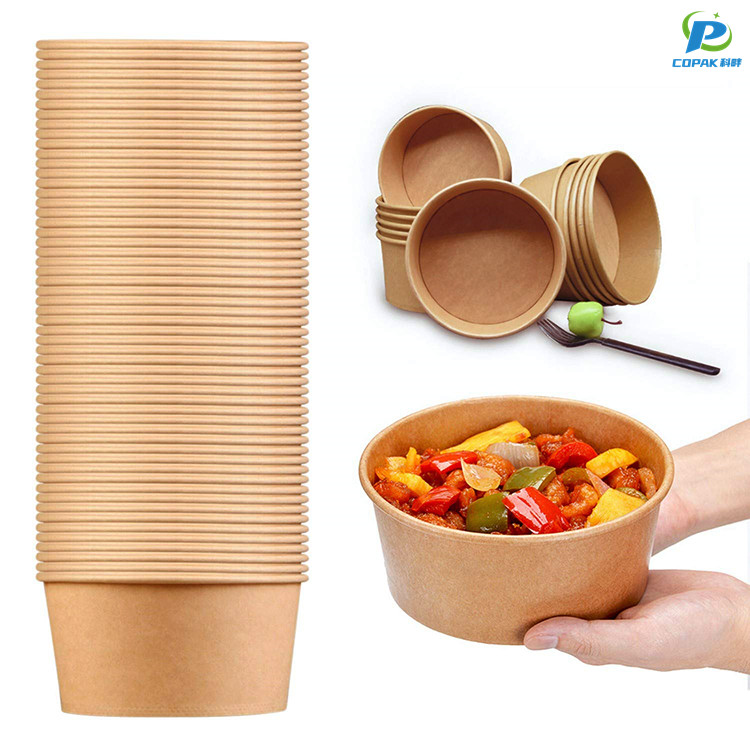
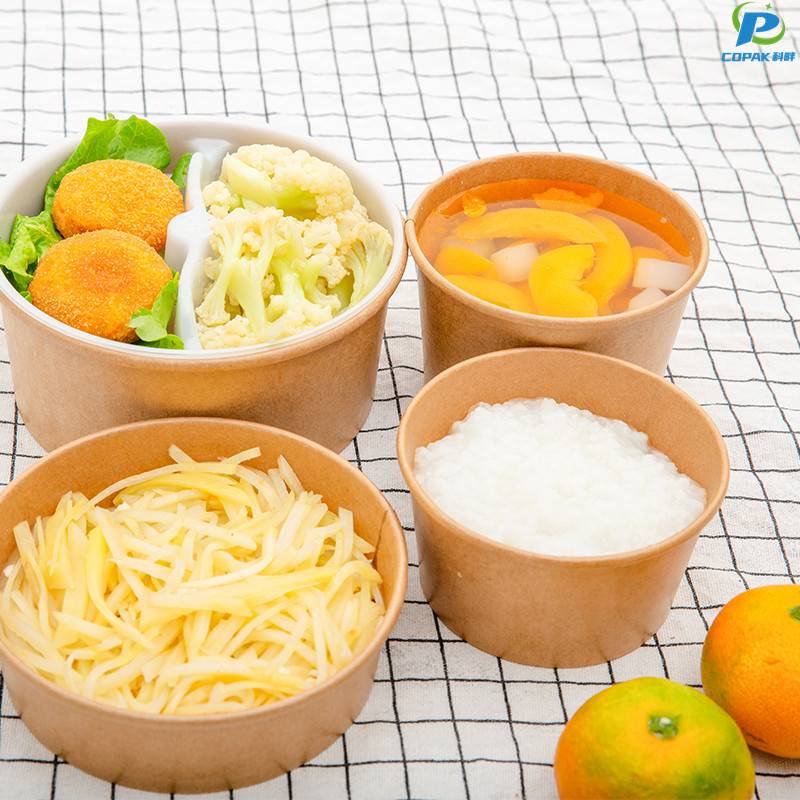
From my factory in China, I offer a reliable Salad kraft paper bowl line designed for takeout and catering. As a Manufacturer, I focus on sturdy, leak‑proof cartons that hold fresh greens, fruits, and toppings without getting soggy. Our materials use compostable kraft paper with grease-resistant coating, approved for food contact, and we can customize sizes, printing, and lids for branding. I know B2B buyers want consistent supply, competitive pricing, and quick lead times, so we keep MOQ flexible and offer bulk discounts. You’ll appreciate easy packaging that reduces waste and makes assembly fast in busy kitchens. We provide certifications, OEM services, and responsive support, ensuring you stay compliant with local regulations and store shelf appeal. If you’re sourcing in China and need a trusted Manufacturer partner for salad containers, let’s connect—let me show how we can scale with your growth and keep quality high.

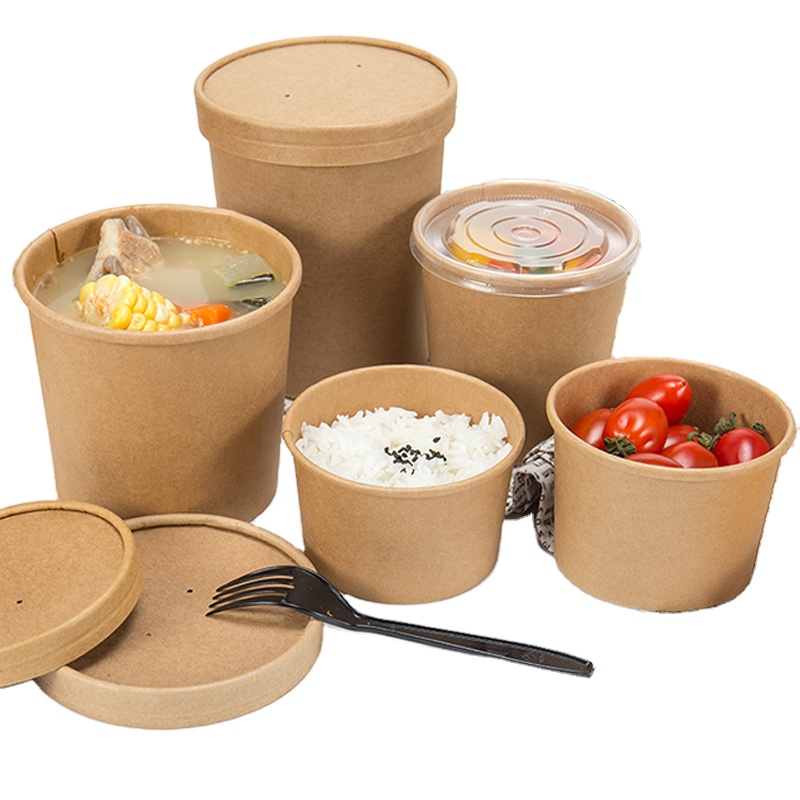
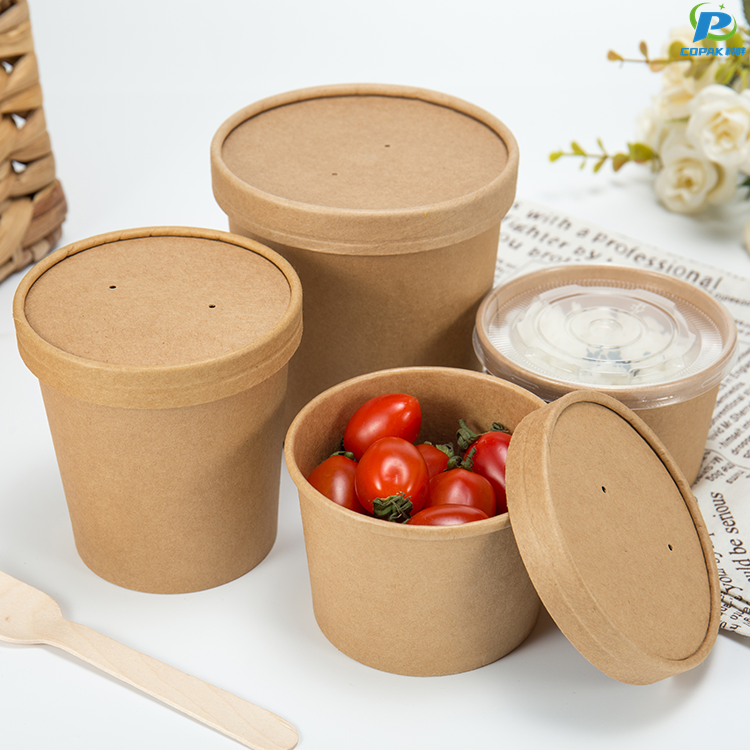
Salad kraft paper bowl Service More Than a Supplier - A Partner
Choosing the right salad kraft paper bowl partner means more than buying a carton — it means aligning with a supplier who understands product performance, sustainability goals and market timing. Our approach combines durable, food-safe materials and customizable designs with rigorous quality checks and eco certifications, so you can confidently offer compostable, grease-resistant bowls that meet diverse retail and foodservice needs. For global buyers, this partnership delivers flexible MOQ options, responsive sample and co-development cycles, transparent lead times and consolidated logistics solutions to reduce cost and risk. From seasonal programs to private-label launches, we act as an extension of your sourcing team, providing technical support, on-time delivery and continuous improvement to help you win in competitive markets.
{ Salad kraft paper bowl Service More Than a Supplier - A Partner}
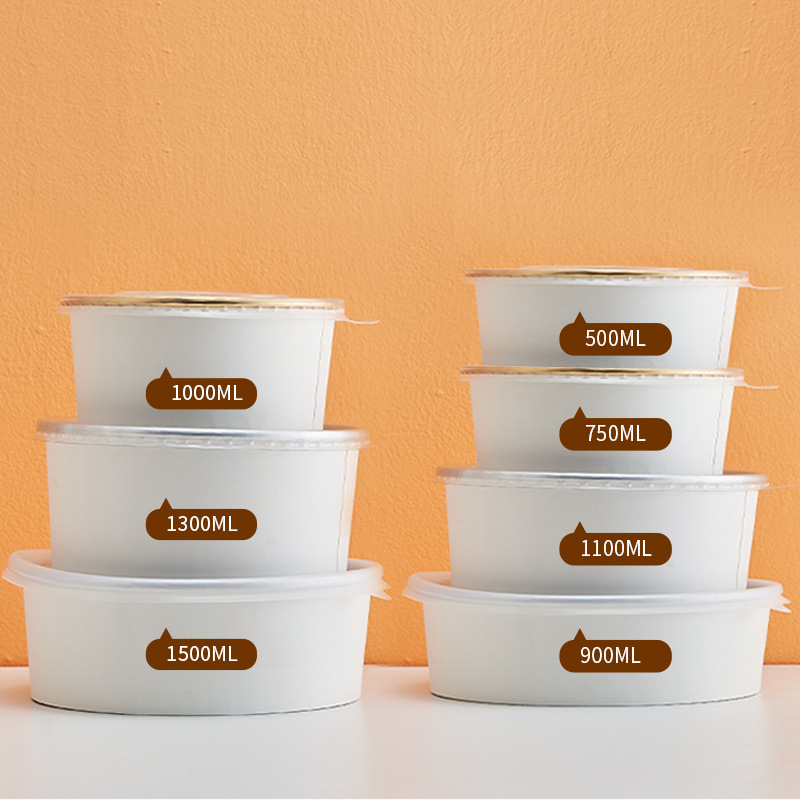
| Model Code | Product Type | Material Composition | Capacity (ml) | Diameter (mm) | Height (mm) | Wall Thickness (µm) | Coating | Compostability | Certifications | Typical Use Case | Lead Time (weeks) | Customization Options |
|---|---|---|---|---|---|---|---|---|---|---|---|---|
| SKB-01 | Salad Bowl (shallow) | 100% Kraft paper (unbleached) | 350 | 130 | 40 | 300 | PLA coating (thin) | Industrial compostable | EN 13432; FDA (food contact) | Cold salads, grain bowls | 2–3 | Exterior print, color interior |
| SKB-02 | Deep Salad / Soup Combo | 90% Kraft + 10% recycled fibers | 500 | 145 | 55 | 360 | Starch-based barrier | Home compostable (non-certified) | FDA (food contact) | Warm salads, light soups | 3–4 | Divider insert, matte finish |
| SKB-03 | Large Salad Bowl | 95% Kraft + water-based lacquer | 750 | 180 | 60 | 420 | Water-based lacquer | Not certified compostable | FSC Mix; FDA | Catering, buffet servings | 3–5 | Special rim, custom inner color |
| SKB-04 | Microwave-safe Salad Bowl (short use) | Kraft paper + PLA blend | 600 | 160 | 58 | 380 | PLA laminated | Industrial compostable | ASTM D6400; EN 13432 | Warm-to-hot servings, reheatable up to 2 min | 2–4 | Logo print, lid-fit options |
| SKB-05 | Salad Bowl with Divider | 100% Kraft + reinforcing pulp | 680 | 170 | 62 | 440 | Starch sealant | Home compostable (limited) | FDA; Compostability testing in progress | Meal kits, mixed salads | 4–5 | Pre-cut divider, ink-safe print |
| SKB-06 | Cold-Only Salad Bowl (economy) | Uncoated kraft, high-strength pulp | 420 | 150 | 48 | 280 | Uncoated (cold use) | Compostable in industrial facilities | EN 13432; FDA | Cold salads, takeout sides | 2–3 | Single-color print, embossing |
| SKB-07 | Premium Kraft Bowl (heavy duty) | Multi-ply kraft with reinforced rim | 1000 | 190 | 75 | 500 | PLA + thin water lacquer | Industrial compostable | OK Compost INDUSTRIAL; FDA | Large catering portions, events | 4–6 | Full-color print, die-cut lids |
| SKB-08 | Round Salad Bowl (stackable) | Reinforced kraft with natural sizing | 450 | 140 | 50 | 340 | Natural sizing, no polymer | Biodegradable (commercial) | FSC Mix; FDA | Cafés, subscription meal services | 2–4 | Stackable design, interior color options |
Data reflects typical product specifications and service options for kraft paper salad bowls. Lead times are representative production-to-delivery intervals and customization options summarize common capabilities.
Related Products
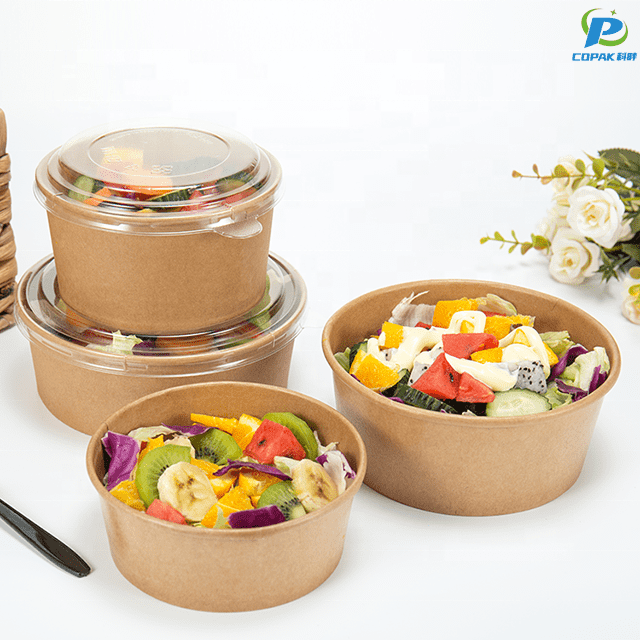


Salad kraft paper bowl Factory-Direct Excellence Outperforms the Competition
Top Selling Products


- Related Blog
- Reviews
- Reviews
