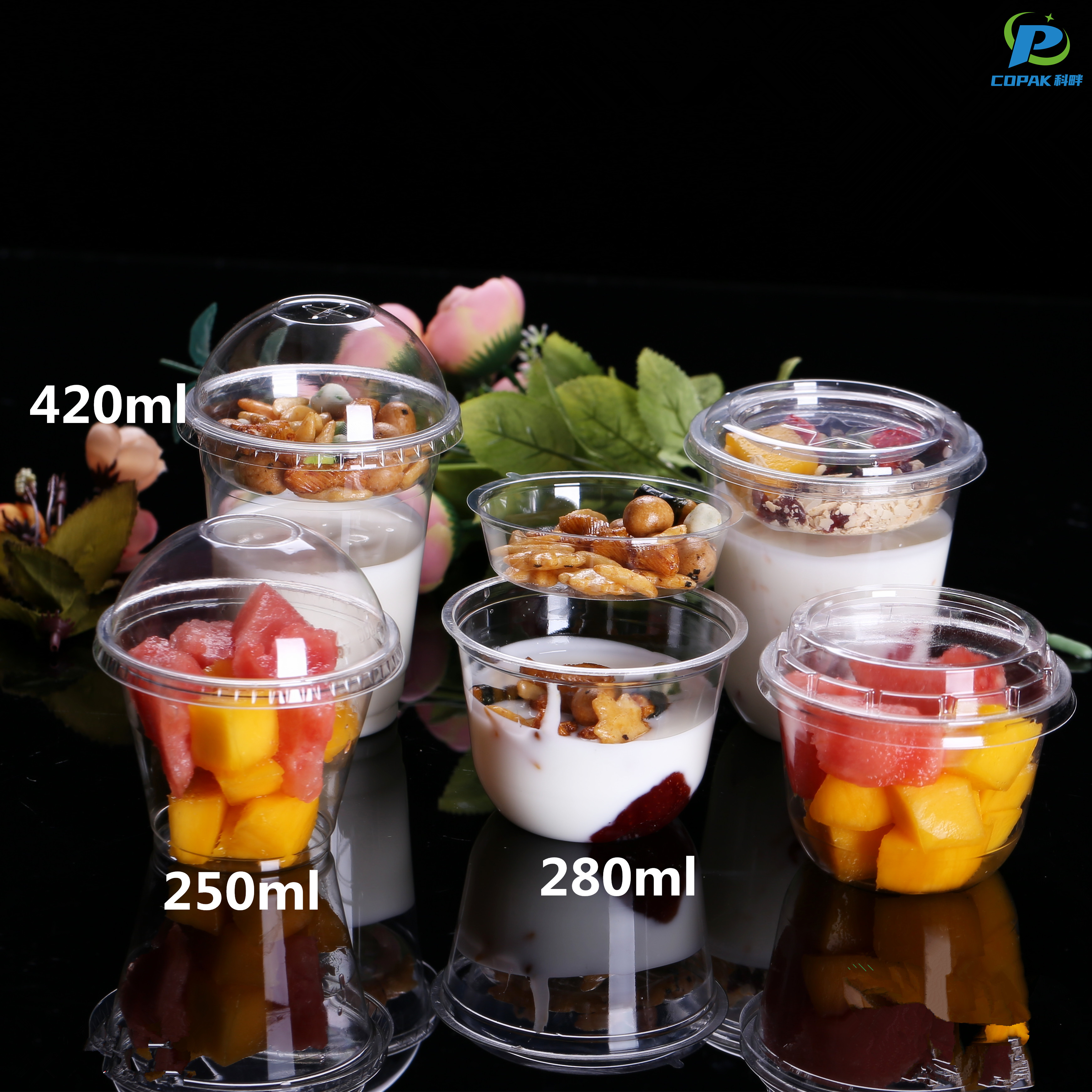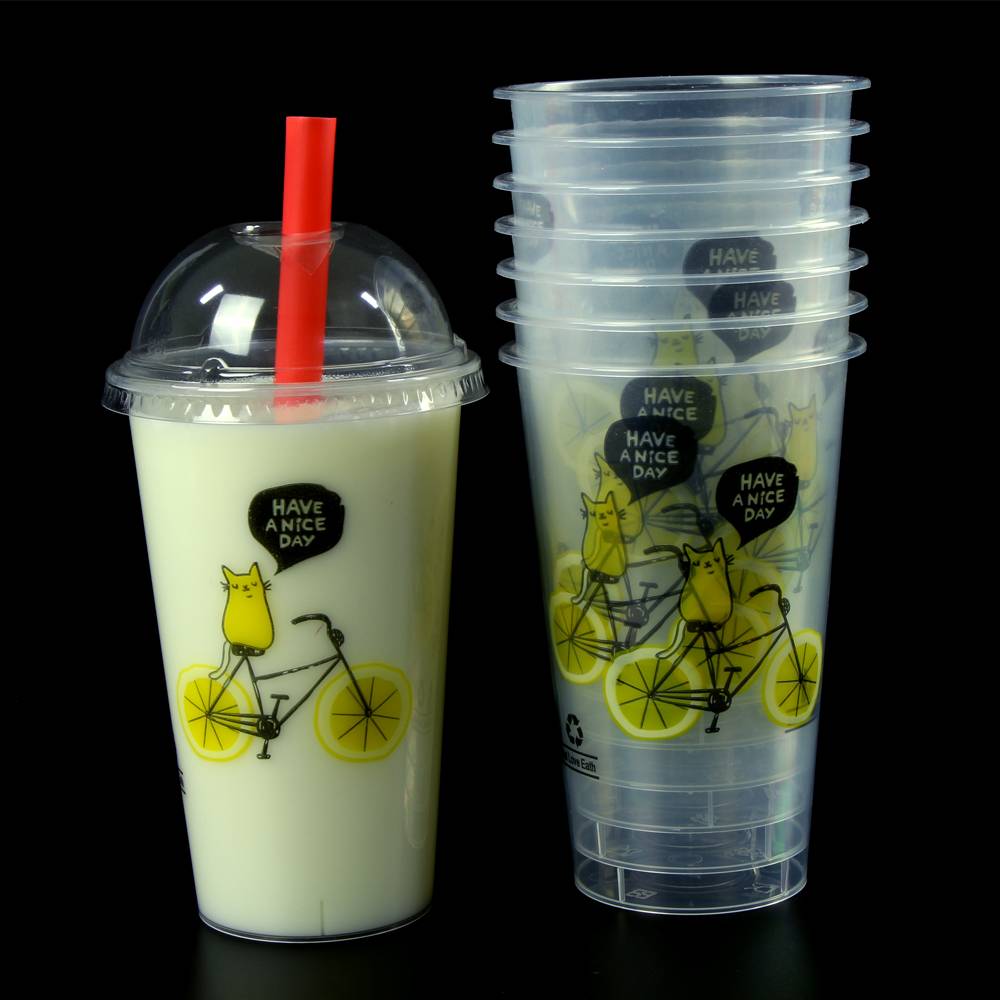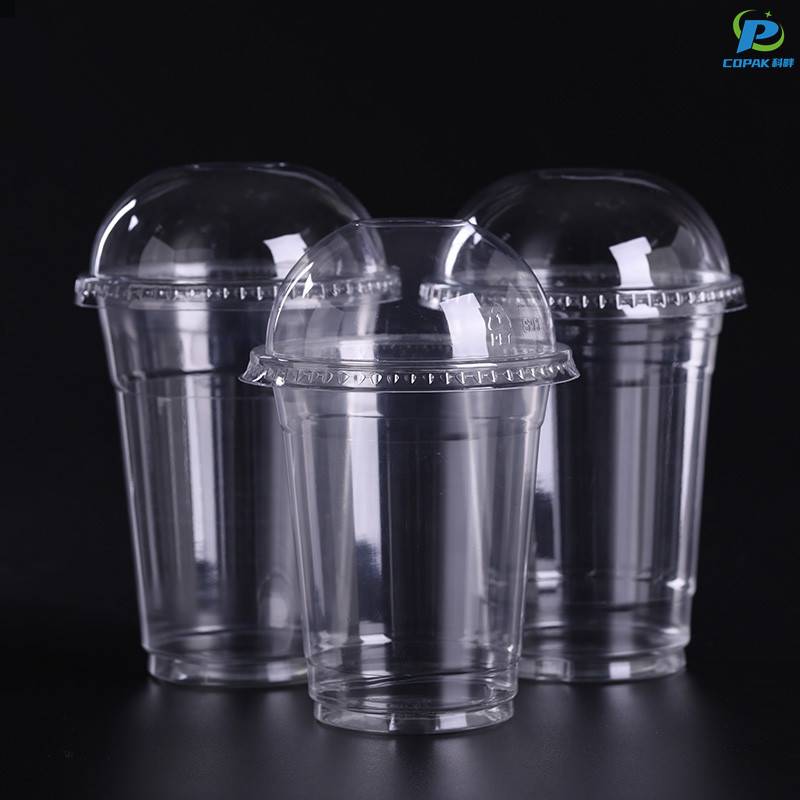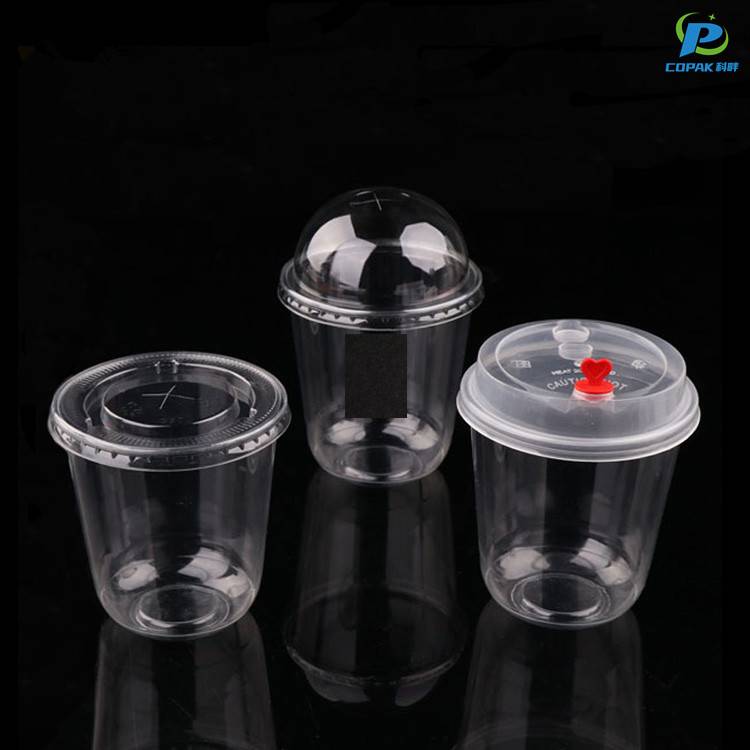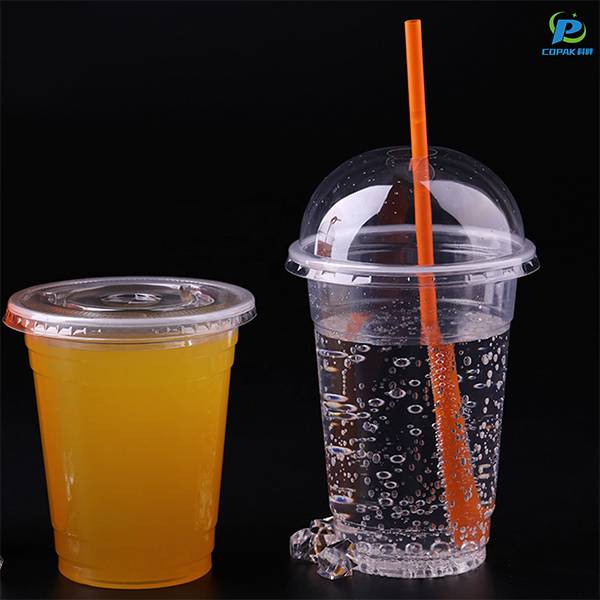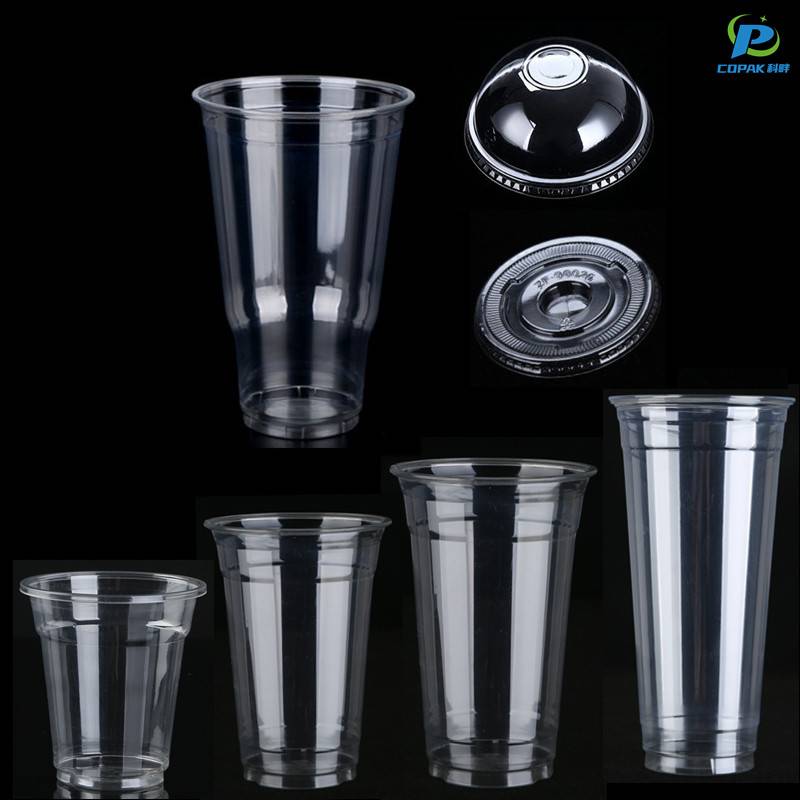
We've been supplying 9oz PET Cups to cafes and distributors for years, and we know what B2B buyers in China and worldwide expect. As a China manufacturer, I take pride in consistent quality, competitive pricing, and dependable lead times. Our 9oz PET Cups are crystal clear, food-grade, and fully recyclable, ideal for cold beverages, desserts, samples, or take-away cups. We offer customization: logo printing, different lid compatible openings, and packaging options to suit your distribution needs. MOQs are practical for large orders, with scalable production to meet seasonal demand. We keep strict QA checks, ISO-certified processes, and fast shipping from our factory to your warehouse. If you need a reliable supplier who can handle high-volume orders with short lead times, I’m here to help. Let me know your target quantities and timelines, and I’ll tailor a plan that fits your business.
In 2025, 9oz PET cups have become the benchmark for cold beverage packaging, blending ultra-clear presentation with lightweight durability and improved sustainability. New formulations and rPET options deliver the clarity buyers expect while cutting carbon footprints and meeting global food-contact regulations. Enhanced rim integrity, stackability, and compatibility with leak-resistant lids streamline service for cafes, events, and packaged drinks, while customizable printing and embossing allow strong brand visibility without sacrificing recyclability. For global purchasers, reliable supply means consistent quality, certified production processes, and flexible OEM/ODM capabilities with competitive MOQs and lead times. Rigorous QC, full traceability, and compliance with international standards ensure products arrive inspection-ready, and scalable manufacturing supports rapid order growth. Whether sourcing for retail, foodservice, or private label, these 9oz PET cups offer a cost-effective, eco-aware solution designed to meet evolving market demands.
| Parameter | Value | Notes / Typical Range |
|---|---|---|
| Product | 9 fl oz (approx. 266 mL) | Standard single-use clear cup for cold beverages |
| Material | PET (Polyethylene terephthalate) — Recycling code: PET #1 | Designed for mechanical recycling streams; not compostable |
| Typical empty weight | 6.5 g | Common range: 5.5 – 8.0 g depending on gauge and geometry |
| Wall thickness | ~220 μm | Typical manufacturing range: 180 – 300 μm (depends on thermoforming/blow settings) |
| Dimensions (typical) | Height: ~95 mm; Top Ø: ~85 mm; Base Ø: ~44 mm | Designs vary; geometry tuned for stackability and rim stability |
| Density | ~1.38 g/cm³ | Material property of PET at room temperature |
| Glass transition / melting | Tg ≈ 70 °C; Tm ≈ 250–260 °C | Limits suitability for hot-fill; deformation risk above Tg |
| Tensile strength (typ.) | ~55 MPa | Typical range 50–75 MPa depending on orientation and processing |
| Safe maximum service temperature | ~60 °C (short-term) | Recommended for cold/ambient/iced beverages; not for sustained hot liquids |
| Food contact compliance | FDA 21 CFR 177.1630; EU 10/2011 (plastics regulation) | Compliant when manufactured and tested to relevant migration and additive limits |
| Typical recycled content (rPET) | ~10% (typical) | Range used in market: 0% – 50% depending on supply and application; clarity may be affected at higher rPET |
| Recyclability / collection | Curbside-compatible with PET streams | Region-dependent collection rates: typical ranges 30% – 60%; global illustrative average ~45% |
| Cradle-to-gate carbon footprint | ~15–25 g CO2e per cup | Estimate based on resin production and forming; varies with rPET share and energy mix |
| End-of-life | Mechanical recycling preferred | Not biodegradable; optimized for recovery and circular feedstock loops |
| Printing & finishing | Compatible with flexo, digital, and water-based inks | Surface treatment (CORONA/Flame) often applied for better ink adhesion |
| Color / transparency | Clear (standard) / Tinted options | Clarity reduced with higher rPET or colorants; barrier layers may alter recyclability |
| Stacking & logistics | Stackable nests for shipping | Typical nested columns support several hundred units for palletizing; exact value depends on design and pallet system |
| Common applications | Cold beverages, sampling, events | Widely used in foodservice, retail, and event sectors where disposability and clarity are required |
| Notes on sustainability trends (2025) | Increasing rPET targets & collection efforts | Industry focus on design for recycling, higher recycled-content blends, and improved recovery infrastructure |