



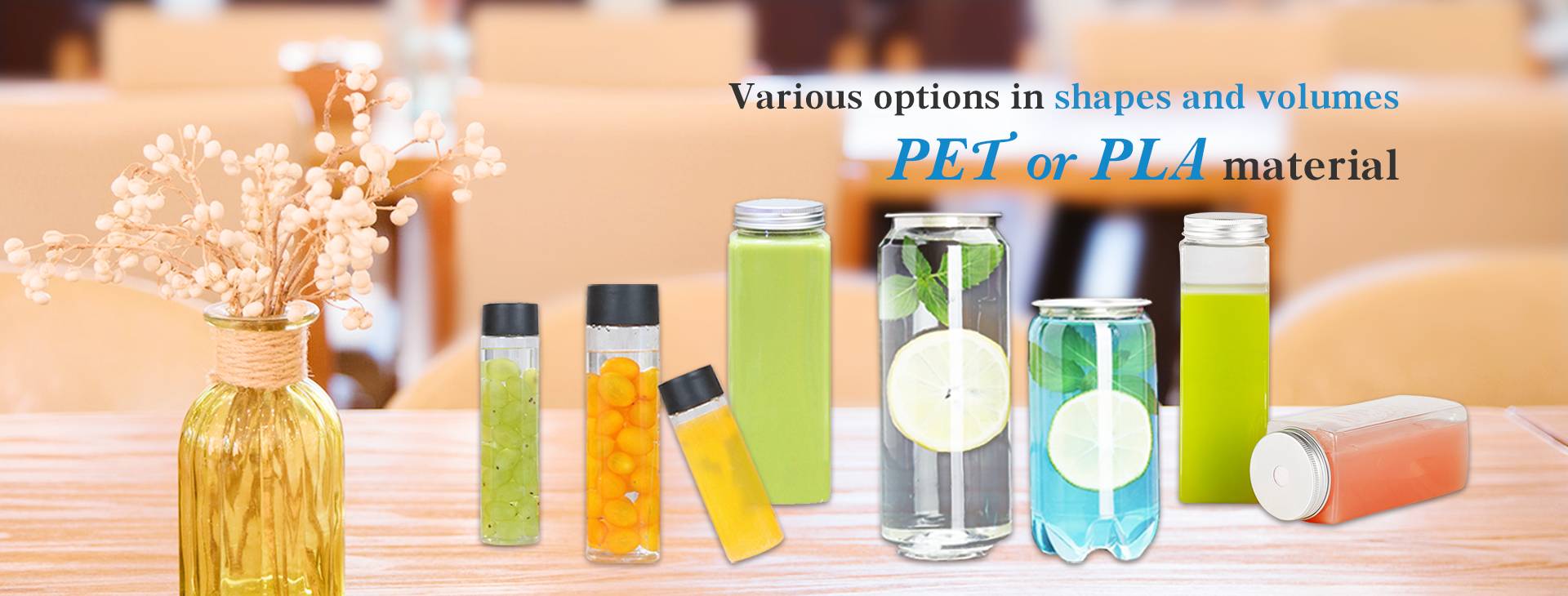
JUICE BOTTLE - China Manufacturer for Durable Bottles
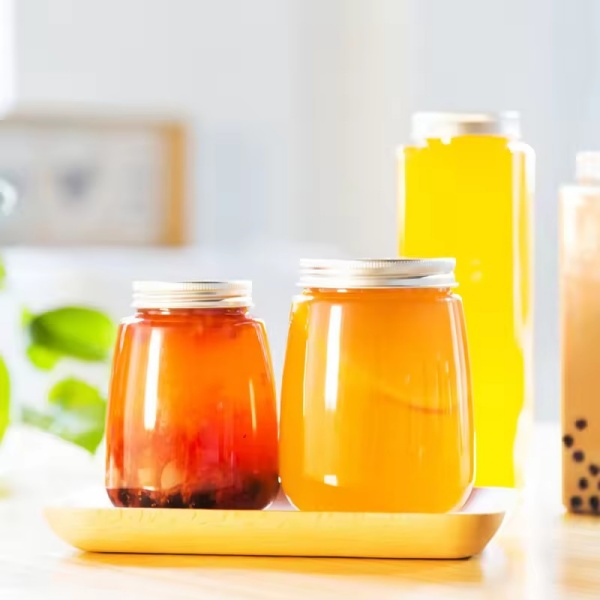
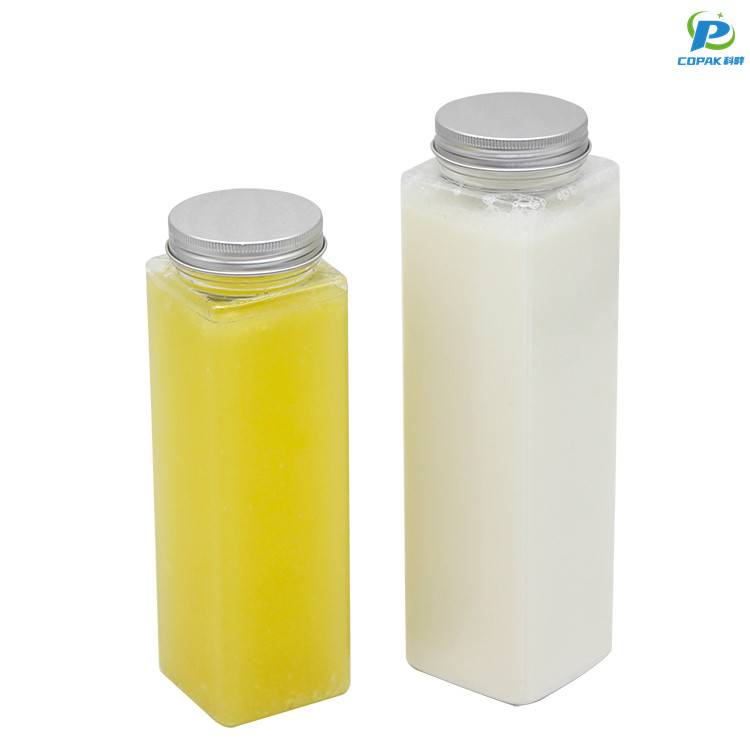
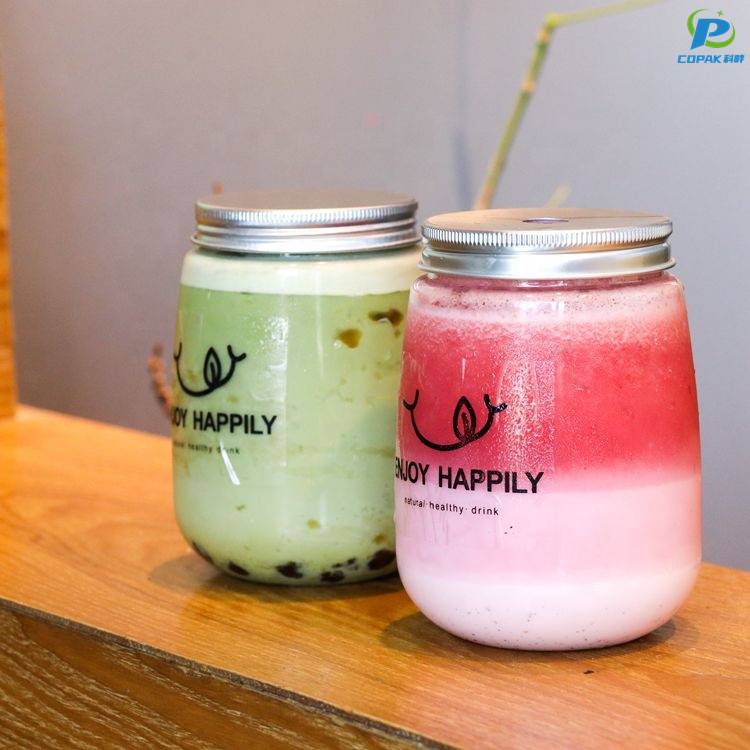
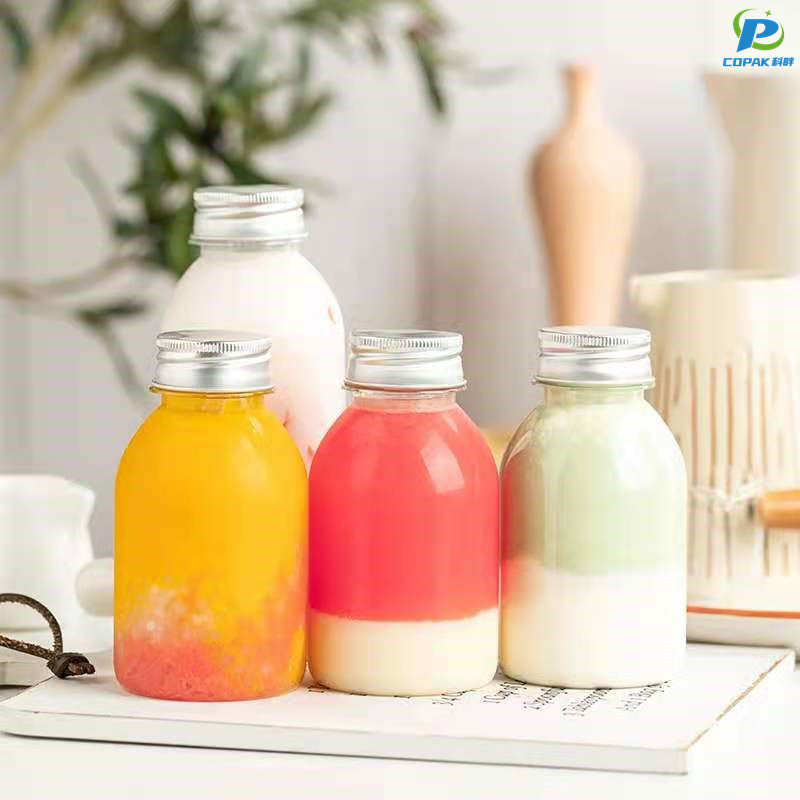
From my position as a buyer, I’m after a JUICE BOTTLE that can scale with my business. Partnering with a China Manufacturer, I want predictable quality, stable supply, and competitive pricing. This JUICE BOTTLE is made from BPA-free Tritan, with a spill-proof screw cap, wide mouth for easy cleaning, and a durable body that resists cracking under cold storage. It comes in several sizes and colors, customizable logos, and packaging options for retail or bulk distribution. I value certifications, consistent weight, and tight tolerances because miscounts cost money in QC. Lead times are crucial, so I look for reliable manufacturing with consistent on-time delivery and responsive pre-sales support. My goal is a long-term supply chain with minimal QA churn, friendly MOQs for small orders, and scalable volumes as demand grows.


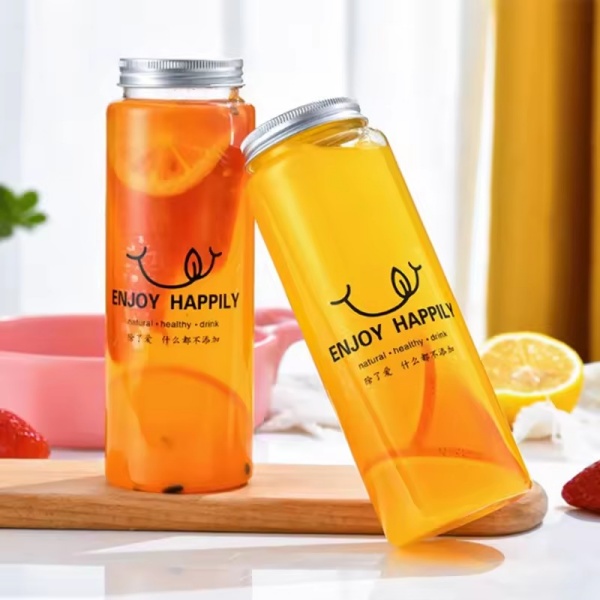
JUICE BOTTLE Products Sets the Industry Standard
Juice bottle products set the industry standard by combining advanced material science, precision molding and hygienic design. Food-grade PET and HDPE options, plus multilayer barrier constructions, deliver excellent oxygen and UV protection, lightweight transport advantages and consistent fill accuracy. Innovative closures and tamper-evident systems preserve freshness and extend shelf life while meeting major international food safety and packaging regulations. Global buyers benefit from working with an experienced manufacturer offering flexible OEM/ODM services, rapid prototyping, competitive lead times and scalable production for retail, private label and bulk supply. Sustainable solutions—recycled content, mono-material designs for easy recycling and optimized pack geometry—cut costs and carbon footprint. Rigorous quality control, third-party certifications and export expertise ensure reliable compliance, predictable delivery and strong after-sales support for cross-border partnerships.
{ JUICE BOTTLE Products Sets the Industry Standard}
| Model | Bottle Type | Material | Capacity (mL) | Empty Weight (g) | Dimensions (HxØ mm) | Wall Thickness (mm) | Thermal Resistance (°C) | Leak Test Pass Rate (%) | Odor Retention (ppm) | Recyclability (%) | Certifications | Tolerance (±mm) | Typical Use Cases | Shelf Life (months) | Fill-line (units/min) | Recyclate Content (%) | CO2e per unit (g) |
|---|---|---|---|---|---|---|---|---|---|---|---|---|---|---|---|---|---|
| Model A1 | Lightweight PET bottle | PET (polyethylene terephthalate) | 330 | 12 | 165 x 58 | 0.30 | 70 | 99.8 | 0.20 | 85 | FDA food contact; EU 10/2011; ISO 9001 | ±0.20 | Chilled RTD juices | 9 | 600 | 30 | 85 |
| Model B2 | Wide-mouth HDPE | HDPE (high-density polyethylene) | 500 | 25 | 150 x 70 | 0.80 | 110 | 99.9 | 0.50 | 90 | FDA; EU food contact | ±0.30 | Pulpy juices, thicker products | 12 | 400 | 25 | 120 |
| Model C3 | Crown glass bottle | Soda‑lime glass | 250 | 160 | 165 x 52 | 2.80 | 500 | 100.0 | 0.01 | 95 | EU food contact | ±0.50 | Premium cold‑pressed juices | 12 | 180 | 50 | 420 |
| Model D4 | Insulated stainless steel | 18/8 stainless steel (food grade) | 750 | 420 | 250 x 75 | 2.00 | 300 | 99.7 | 0.05 | 85 | Food‑grade stainless standards | ±0.80 | Reusable bottles; long‑life beverages | N/A (reusable) | 120 | 20 | 950 |
| Model E5 | High‑barrier copolyester | BPA‑free copolyester (high barrier) | 330 | 30 | 170 x 60 | 0.90 | 120 | 99.85 | 0.15 | 60 | FDA; EU; ISO 14001 | ±0.25 | Aseptic/extended shelf juices | 18 | 520 | 10 | 130 |
| Model F6 | Lightweight PCR PET | PET with post‑consumer recycled content | 500 | 16 | 200 x 66 | 0.35 | 70 | 99.6 | 0.25 | 82 | Food contact approved; recycled content certified | ±0.20 | Mainstream bottled juices | 9 | 580 | 35 | 75 |
Related Products
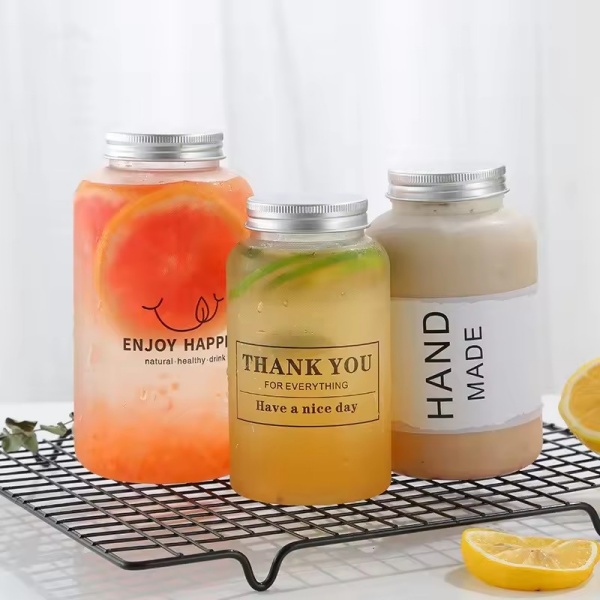
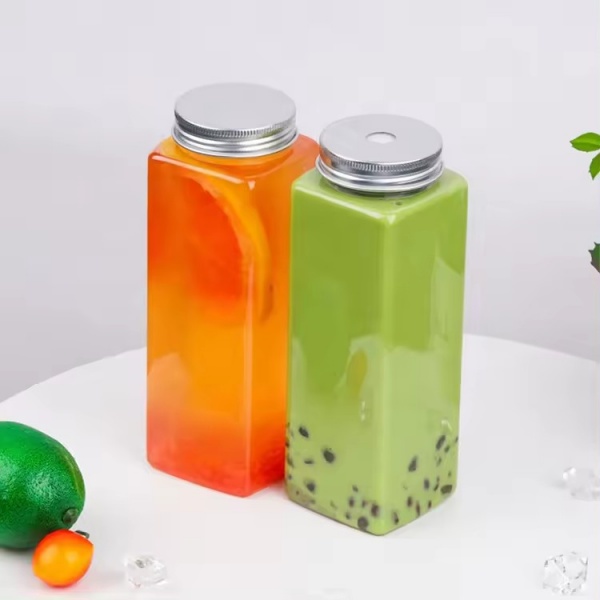

JUICE BOTTLE Industry Giant Market Leader
Top Selling Products







- Related Blog
- Reviews
- Reviews
