



Plastic Jello Shot Cups - China Manufacturer | Premium Party Supplies
In China, I run a focused manufacturing operation that supplies Plastic Jello Shot Cups to professional buyers. As a Manufacturer, I deliver durable, crystal-clear cups in standard sizes that fit most jello shot recipes. All parts are food-grade and BPA-free, with leak-resistant lids and optional seal rings. We offer flexible MOQs, custom printing, and packaging to match your brand and market. From the China factory floor to your warehouse, I promise reliable lead times and competitive factory pricing. Share your target volume, certifications, and delivery schedule and I’ll tailor a solution. I can accommodate bilingual labeling and regulatory compliance for EU and US markets. If you need samples or a live quote, I reply quickly to keep your project moving.


Plastic Jello Shot Cups Factory Now Trending
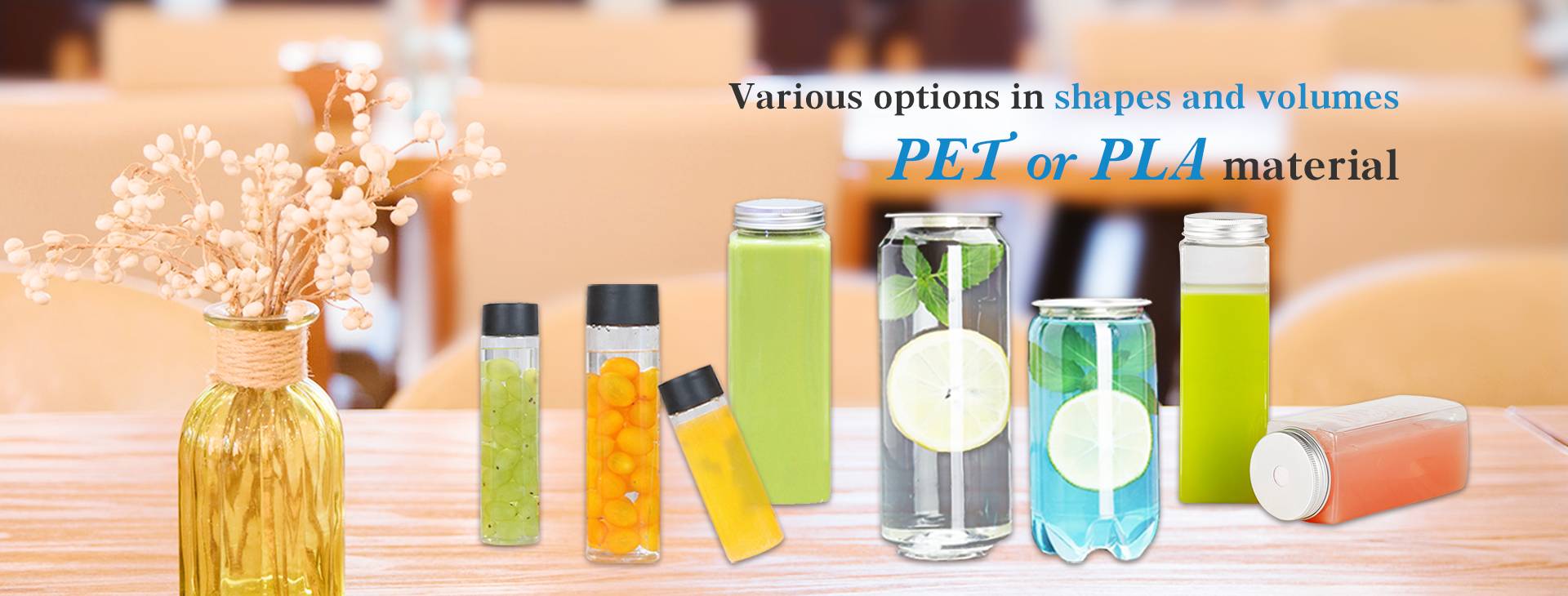
Plastic jello shot cups are rapidly becoming a must-stock item for bars, event planners, retailers and promotional brands worldwide. As demand for clear, portion-controlled, food-safe serving solutions surges, buyers are prioritizing manufacturers who can deliver consistent quality, rapid lead times and flexible customization—clear cups in multiple sizes, leak-resistant lids, stackable designs and eco-friendly material options like PLA alongside traditional PET and PP. A Shanghai-based factory with advanced molding lines and strict QC systems is well positioned to serve global procurement needs, offering OEM/ODM, low-to-high volume runs, custom colors, printing and tailored packaging. Certified to international food-safety standards and experienced in export logistics, such suppliers combine competitive pricing with reliable delivery, making them ideal partners for retailers and distributors looking to capitalize on the jello shot cup trend.
| Attribute | Typical Options / Values | Technical Notes |
|---|---|---|
| Product type | Disposable plastic jello/shot cups (single-use serving cups) | Designed for cold desserts, gelatin shots, and single-serve portions. |
| Common materials | Polypropylene (PP, recycling #5); PET (recycling #1); Polylactic acid (PLA, compostable) | PP: good temperature tolerance and rigidity. PET: high transparency. PLA: industrial compostable, not recyclable with PET/PP. |
| Common capacities | 1.0 oz (≈30 ml); 1.5 oz (≈45 ml); 2.0 oz (≈60 ml) | Capacities chosen for portion control and typical event/service use. |
| Typical dimensions (top Ø × height) |
1.0 oz: ~42 mm × 25 mm 1.5 oz: ~46 mm × 28 mm 2.0 oz: ~50 mm × 30 mm |
Measured at cup rim × straight wall height; tapered designs vary slightly. |
| Wall thickness | Typically 0.18–0.35 mm (varies with material and rigidity) | Thicker walls increase stiffness and stacking durability; lightweighting reduces material use. |
| Typical weight per cup | 1.0 oz ≈ 1.2 g; 1.5 oz ≈ 1.6 g; 2.0 oz ≈ 2.1 g | Estimated weights for PP/PET single-wall cups. |
| Manufacturing methods | Thermoforming (common for PET); injection molding (common for PP) | Method chosen based on material, wall profile, and production speed. |
| Certifications & compliance | Food contact approvals: FDA (US) & EU food contact (Reg. EC 1935/2004) commonly requested | Also available: heavy metal migration testing, BPA-free declarations. |
| Service temperature ranges | PP: approx. -20°C to 120°C (short term); PET: approx. -40°C to 70°C; PLA: up to ~50–60°C | Most are for cold use; confirm microwave/dishwasher suitability per material and product spec. |
| Color & finish options | Clear high-gloss (PET); transparent tinted; opaque colors; matte textures; printing available | Clear cups showcase contents; custom printing typically done with food-safe inks or sleeves. |
| Stackability & accessory options | Stackable designs common; snap-fit lids or heat-seal film available | Lids enable transport and retail merchandising; sealing film used for pre-filled portions. |
| Recyclability / end-of-life | PET (#1) widely recyclable; PP (#5) recyclable in some programs; PLA compostable in industrial facilities only | Discard according to local recycling/composting rules; PLA should not be mixed with PET recycling streams. |
| Production throughput (typical) | Rough range: 100,000–500,000 units per day (line and mold dependent) | High-volume thermoforming or injection lines achieve upper ranges; exact throughput depends on cycle time and changeovers. |
| Packaging formats | Bulk inner bags + corrugated cartons; retail-ready blister or tray packs; sealed multipacks | Packaging chosen to protect shape and enable automated dispensing at point of use. |
| Lead time (typical) | Sample turnaround: ~3–7 days; production runs: ~2–6 weeks | Times vary by customization, certification requirements, and seasonal demand. |
| Quality control & testing | Visual inspection, dimensional checks, leak/seal tests, migration/food-safety testing | QC ensures consistent cup shape, sealing performance for prefilled items, and regulatory compliance. |
| Environmental & design trends | rPET options, reduced-wall lightweighting, compostable PLA alternatives, minimal packaging | Trends aim to lower carbon footprint and increase end-of-life circularity while maintaining clarity and function. |
| Safety & usage notes | Best for cold applications; confirm microwave/dishwasher suitability per product spec | Not all materials are microwave-safe; verify with supplier documentation before high-temperature use. |
Related Products


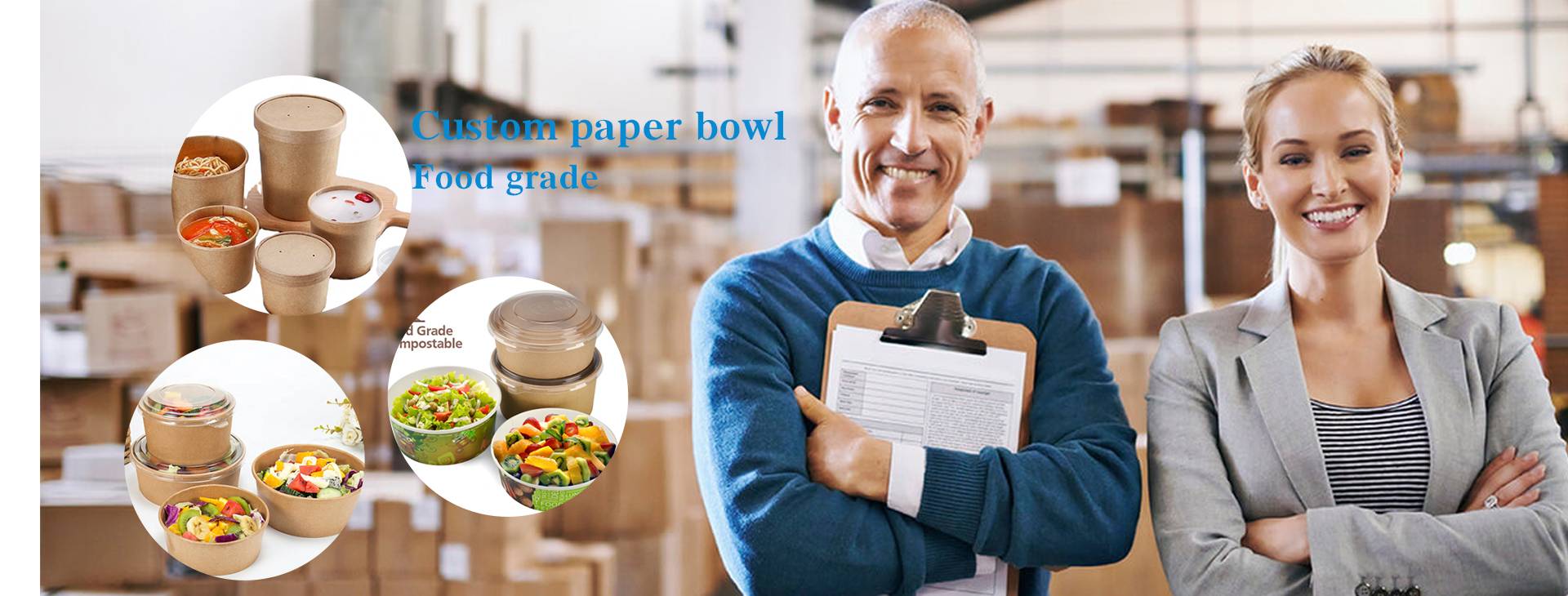
Plastic Jello Shot Cups Manufacturers You Can Rely On Custom Solutions,
Top Selling Products





- Related Blog
- Reviews
- Reviews
